



AD
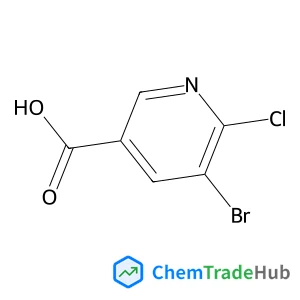
5-Bromo-6-chloronicotinic acid(CAS: 29241-62-1)
CAS Number
Related Products
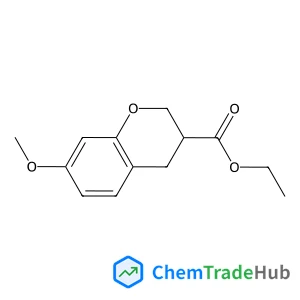
Ethyl 7-methoxy-3-chromanecarboxylate
CAS Number: 885271-77-2
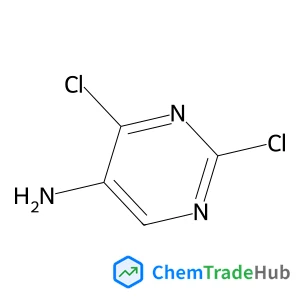
2,4-Dichloro-5-pyrimidinamine
CAS Number: 5177-27-5
![9-Oxa-1,4-diazaspiro[5.5]undecane](https://static.chemtradehub.com/structs/303/303802-17-7-2081.webp)
9-Oxa-1,4-diazaspiro[5.5]undecane
CAS Number: 303802-17-7
Other Suppliers for 5-Bromo-6-chloronicotinic acid





Basic Information
Molecular Formula
C6H3BrClNO2
Molecular Weight
236.45 g/mol
Physical State
White to Yellow Solid
Physical Properties
Melting Point
166-168°C
Boiling Point
370℃ at 760 mmHg
Chemical Identifiers
SMILES
C1=C(C=NC(=C1Br)Cl)C(=O)O
InChIKey
DXEUARPQHJXMII-UHFFFAOYSA-N
Database References
MDL Number
MFCD01927098
FAQ
The regulatory guidelines for 5-Bromo-6-chloronicotinic acid (CAS: 29241-62-1) include GHS classification, which categorizes the compound as harmful if swallowed and irritant. Additionally, it must comply with REACH regulations in the European Union, ensuring it does not pose a risk to human health or the environment. FDA and EPA guidelines also apply, ensuring proper handling, storage, and disposal to prevent contamination and environmental harm.
Alternatives to 5-Bromo-6-chloronicotinic acid (CAS: 29241-62-1) in synthesis include 5-Chloronicotinic acid and 6-Bromonicotinic acid. These can serve as analogous reagents in various chemical reactions. Common substitutes might include other nicotinic acid derivatives, such as 3-Methyl-5-bromo-6-chloronicotinic acid, depending on the specific requirements of the synthesis process.
The market trend for 5-Bromo-6-chloronicotinic acid (CAS: 29241-62-1) is driven by its use in research and development across various fields, including pharmaceuticals and agrochemicals. Recent research trends focus on its potential applications in drug discovery and as an intermediate in the synthesis of other compounds. Market demand is expected to grow as new applications are discovered, particularly in the development of novel therapeutics and pesticides.
Waste containing 5-Bromo-6-chloronicotinic acid (CAS: 29241-62-1) should be collected in a leak-proof container and stored in a well-ventilated area. Incineration is a common method for waste disposal, provided it is done under controlled conditions to minimize environmental impact. Alternatively, professional waste disposal services should be used to ensure compliance with environmental protection regulations and to prevent contamination of the environment.
Safety Notice
Please verify product specifications and safety data before use. Contact the supplier for detailed safety information.
Always follow proper handling procedures

Contact Information
Contact Person
Miss Shi
xinyu_shi@jwypharmlab.com.cn
Mobile
13651849907
Telephone
021-64340559
Visit Website
https://www.jwypharmlab.com.cn/Address
No. 5 Building, Building 351, Chenge Road, Minhang District, Shanghai