



AD
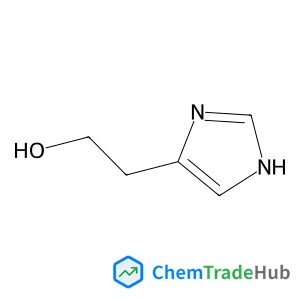
2-(1H-Imidazol-5-yl)ethanol(CAS: 872-82-2)
CAS Number
Related Products
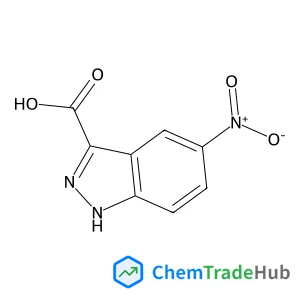
5-Nitro-1H-indazole-3-carboxylic acid
CAS Number: 78155-76-7
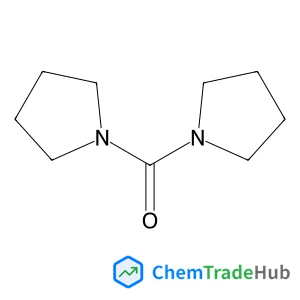
Di-1-pyrrolidinylmethanone
CAS Number: 81759-25-3
![Magnesium bis{3-[(4-nitrobenzyl)oxy]-3-oxopropanoate}](https://static.chemtradehub.com/structs/839/83972-01-4-2c85.webp)
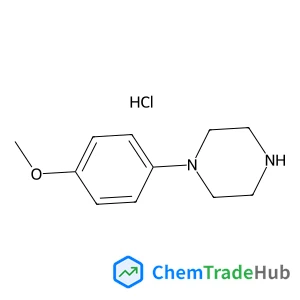
![5'-O-[Bis(4-methoxyphenyl)(phenyl)methyl]-3'-O-(3-carboxypropanoyl)thymidine](https://static.chemtradehub.com/structs/744/74405-40-6-6f4f.webp)
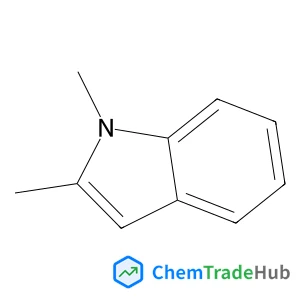
1,2-Dimethyl-1H-indole
CAS Number: 875-79-6
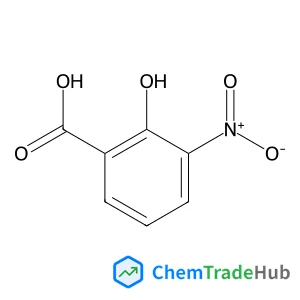
2-Hydroxy-3-nitrobenzoic acid
CAS Number: 85-38-1
![4-[8-(4-Formylphenoxy)octoxy]benzaldehyde](https://static.chemtradehub.com/structs/773/77355-03-4-7b15.webp)
Other Suppliers for 2-(1H-Imidazol-5-yl)ethanol






Basic Information
Molecular Formula
C5H8N2O
Molecular Weight
112.13 g/mol
Physical Properties
Boiling Point
359.8 °C at 760 mmHg
Density
1.228
Flash Point
171.4 °C
Chemical Identifiers
SMILES
OCCC1=CNC=N1
InChIKey
HEEACTTWORLLPM-UHFFFAOYSA-N
Database References
MDL Number
MFCD00195671
FAQ
2-(1H-Imidazol-5-yl)ethanol (CAS: 872-82-2) is subject to various regulatory guidelines. It is classified according to the Globally Harmonized System of Classification and Labelling of Chemicals (GHS) as a skin and eye irritant. For EU regulations, it falls under REACH, requiring manufacturers and importers to register substances above 1 tonne per year. Additionally, the U.S. FDA and EPA regulate its use and disposal, particularly concerning environmental and occupational safety.
Several alternatives to 2-(1H-Imidazol-5-yl)ethanol (CAS: 872-82-2) are available for synthesis. Common alternatives include 2-(1H-imidazol-2-yl)ethanol and 2-(2H-imidazol-2-yl)ethanol. These compounds can serve similar functions in various chemical processes. Other substitutes might include phenylethanol or isopropanol, depending on the specific reaction requirements.
The market for 2-(1H-Imidazol-5-yl)ethanol (CAS: 872-82-2) is growing due to its applications in pharmaceuticals, agrochemicals, and analytical chemistry. Research trends focus on its potential in drug development and as a reagent in organic synthesis. Recent studies highlight its role in synthesizing various pharmaceutical intermediates and its use as a stabilizer in formulations. Market demand is expected to increase with further exploration of its properties and applications.
Waste containing 2-(1H-Imidazol-5-yl)ethanol (CAS: 872-82-2) should be handled carefully to minimize environmental impact. Collection should be done in a sealed container to avoid spillage. For disposal, incineration is a common method, but it must be performed in a controlled environment to prevent harmful emissions. Alternatively, professional waste disposal services can ensure safe disposal. Always follow local regulations and guidelines for hazardous waste management to protect the environment and public health.
Safety Notice
Please verify product specifications and safety data before use. Contact the supplier for detailed safety information.
Always follow proper handling procedures
Contact Information
info@changchem.com