



AD
(2-Formamido-1,3-thiazol-4-yl)acetic acid(CAS: 75890-68-5)
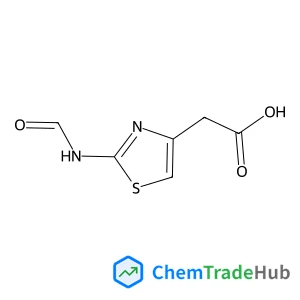
CAS Number
Related Products
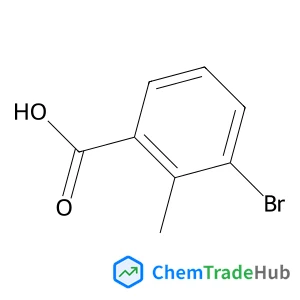
3-Bromo-2-methylbenzoic acid
CAS Number: 76006-33-2
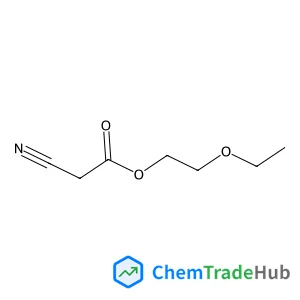
2-Ethoxyethyl cyanoacetate
CAS Number: 32804-77-6
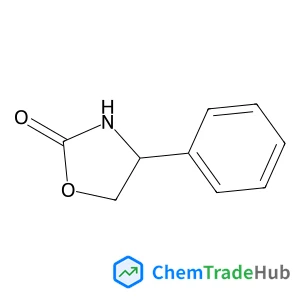
(R)-(-)-4-Phenyl-2-oxazolidinone
CAS Number: 90319-52-1
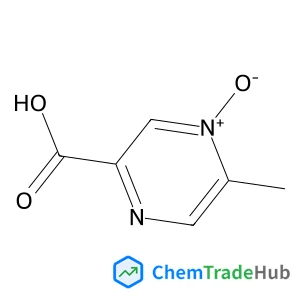
Acipimox
CAS Number: 51037-30-0
![2,3,4,6,7,8-Hexahydropyrrolo[1,2-a]pyrimidine](https://static.chemtradehub.com/structs/300/3001-72-7-c717.webp)
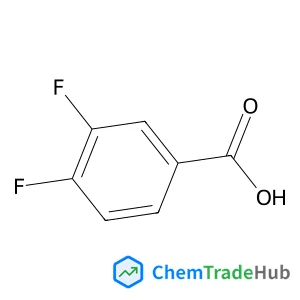
3,4-Difluorobenzoic acid
CAS Number: 455-86-7
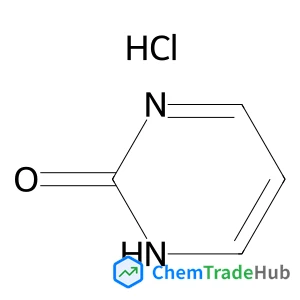
2(1H)-Pyrimidinone hydrochloride (1:1)
CAS Number: 38353-09-2
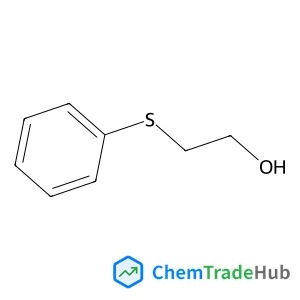
2-(Phenylsulfanyl)ethanol
CAS Number: 699-12-7
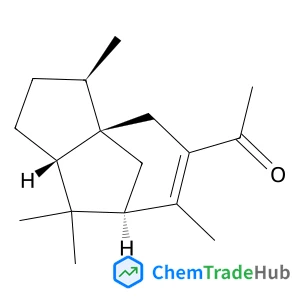
1-(Cedr-8-en-9-yl)ethanone
CAS Number: 32388-55-9
Other Suppliers for (2-Formamido-1,3-thiazol-4-yl)acetic acid



Basic Information
Molecular Formula
C6H6N2O3S
Molecular Weight
186.19 g/mol
Physical Properties
Melting Point
201-203°C
Boiling Point
409°C at 760 mmHg
Density
1.6
Chemical Identifiers
SMILES
C1=C(N=C(S1)NC=O)CC(=O)O
InChIKey
MXBRIEOXXKWWCE-UHFFFAOYSA-N
Database References
MDL Number
MFCD06658944
FAQ
Regulatory guidelines for (2-Formamido-1,3-thiazol-4-yl)acetic acid (CAS: 75890-68-5) include adherence to the Globally Harmonized System of Classification and Labelling of Chemicals (GHS), the Registration, Evaluation, Authorisation and Restriction of Chemicals (REACH) regulations in the European Union, and the Food and Drug Administration (FDA) and Environmental Protection Agency (EPA) guidelines in the United States. Proper handling, storage, and disposal are required to ensure safety and compliance with these regulations.
Yes, there are alternative reagents and compounds that can be used in synthesis, such as (1,3-thiazol-4-yl)acetic acid or similar thiazole derivatives. These alternatives can offer similar functionalities but with different chemical structures, providing flexibility in the design of synthetic pathways and helping to optimize reactivity and yield.
The market for (2-Formamido-1,3-thiazol-4-yl)acetic acid is growing due to its applications in various industries, including pharmaceuticals, agriculture, and environmental science. Research trends are focused on exploring its antibacterial and antifungal properties, as well as its potential in developing new drugs and biocides. Additionally, there is increasing interest in understanding its environmental impact and developing sustainable synthesis methods.
Waste containing (2-Formamido-1,3-thiazol-4-yl)acetic acid should be handled according to the specific guidelines outlined in the GHS. Collection should be done in appropriate containers, and incineration or professional waste disposal methods should be used to ensure proper disposal. Environmental precautions, such as minimizing exposure and preventing contamination of water sources, should also be taken to protect the environment.
Safety Notice
Please verify product specifications and safety data before use. Contact the supplier for detailed safety information.
Always follow proper handling procedures
Contact Information
1297774855@qq.com