



AD
Acrylamide(CAS: 9003-05-8)
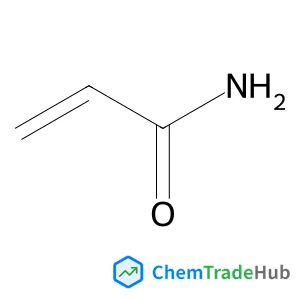
CAS Number
Related Products
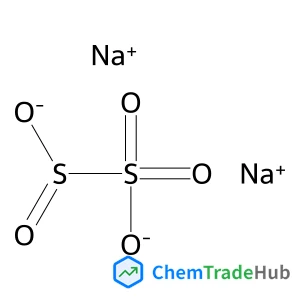
Disodium oxidosulfanesulfonate oxide
CAS Number: 7681-57-4
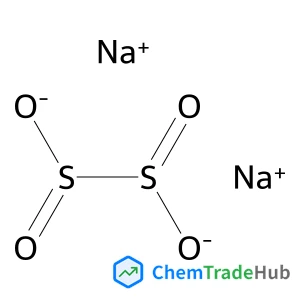
Disodium dithionite
CAS Number: 7775-14-6
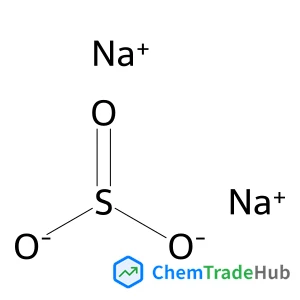
Sodium Sulfite
CAS Number: 7757-83-7
Other Suppliers for Acrylamide

Basic Information
Molecular Formula
C3H5NO
Molecular Weight
71.08 g/mol
Physical Properties
Melting Point
252-257 °C
Boiling Point
231.7±0.0 °C at 760 mmHg
Density
1.3
Flash Point
>230 °F
Chemical Identifiers
SMILES
C=CC(=O)N
InChIKey
HRPVXLWXLXDGHG-UHFFFAOYSA-N
Database References
MDL Number
MFCD00084392
FAQ
Acrylamide (CAS: 9003-05-8) is a versatile organic compound with the chemical formula C3H5NO. It is a colorless, water-soluble liquid used as a monomer to produce polymers like polyacrylamide. Known for its reactivity, it forms strong bonds in various applications. Acrylamide is widely used in industries for its ability to enhance polymer properties, such as viscosity and stability. It is also a key intermediate in the synthesis of other chemicals, including those used in pharmaceuticals and water treatment.
Acrylamide (CAS: 9003-05-8) has diverse applications across industries. It is used in water treatment to remove impurities, in oil recovery for enhanced extraction, and in pharmaceuticals as a building block for drug development. In the food industry, it forms during high-temperature processing of starchy foods. It also serves as a crosslinking agent in cosmetics and as a component in gel electrophoresis for research. Its unique chemical properties make it essential in polymer science and industrial processes.
Acrylamide (CAS: 9003-05-8) requires careful handling due to potential toxicity. Ingestion or inhalation may cause health issues, so safety standards emphasize proper protective measures like gloves and ventilation. It is classified as a hazardous substance under OSHA and EPA regulations. While its use is controlled, adherence to safety protocols ensures minimal risk. Always follow guidelines for exposure limits and storage to maintain safety in industrial and research settings.
Acrylamide (CAS: 9003-05-8) should be stored in a cool, dry, and dark environment to prevent degradation. Maintain temperatures below 25°C and humidity levels under 60% to ensure stability. Use sealed, airtight containers made of materials like polyethylene to avoid contamination. Store away from heat sources and incompatible substances. Proper storage conditions are critical for maintaining its chemical integrity and safety.
Safety Notice
Please verify product specifications and safety data before use. Contact the supplier for detailed safety information.
Always follow proper handling procedures