



AD
4-Cinnolinol(CAS: 875-66-1)
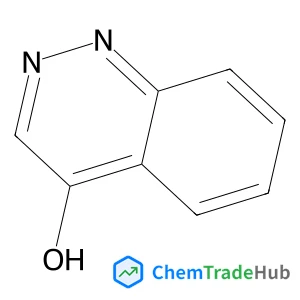
CAS Number
Related Products
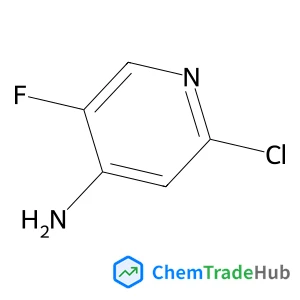
2-Chloro-5-fluoropyridin-4-amine
CAS Number: 89510-90-7
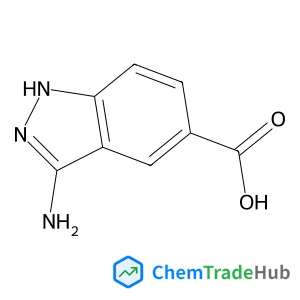
3-Amino-1H-indazole-5-carboxylic acid
CAS Number: 871709-84-1
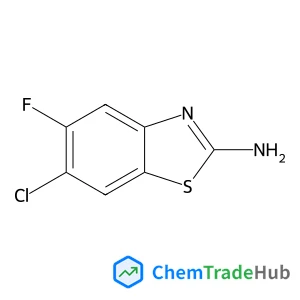
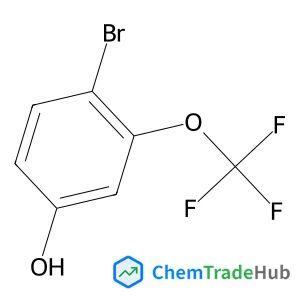
4-Bromo-3-(trifluoromethoxy)phenol
CAS Number: 886499-93-0
![1-[(Docosyloxy)methyl]pyrene](https://static.chemtradehub.com/structs/758/758723-62-5-5e0a.webp)
1-[(Docosyloxy)methyl]pyrene
CAS Number: 758723-62-5
![3-Methyl-1,2,3,4,5,6-hexahydroazepino[4,5-b]indole](https://static.chemtradehub.com/structs/754/7546-66-9-234a.webp)
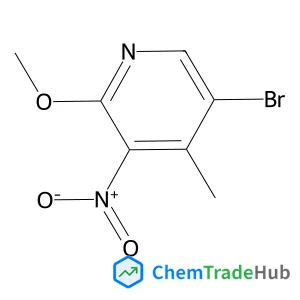
![2-Ethyl-5-[(E)-2-phenylvinyl]-1,3-benzenediol](https://static.chemtradehub.com/structs/793/79338-80-0-3b92.webp)
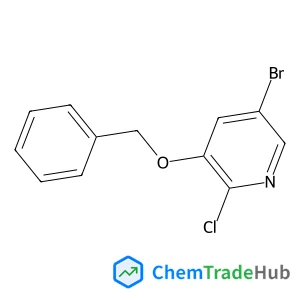
Other Suppliers for 4-Cinnolinol








Basic Information
Molecular Formula
C8H6N2O
Molecular Weight
146.15 g/mol
Physical State
Solid
Physical Properties
Boiling Point
303.5 °C at 760 mmHg
Density
1.31
Flash Point
137.3 °C
Chemical Identifiers
SMILES
OC1=C2C=CC=CC2=NN=C1
InChIKey
UFMBERDMCRCVSM-UHFFFAOYSA-N
Database References
MDL Number
MFCD00956158
FAQ
4-Cinnolinol (CAS: 875-66-1) is subject to various regulatory guidelines. Under the Globally Harmonized System of Classification and Labelling of Chemicals (GHS), it must be classified and labelled according to its inherent hazards. In the European Union, it is registered under REACH regulations, and in the United States, it falls under the jurisdiction of the EPA and may require specific handling and disposal procedures. FDA regulations also apply if it is used in pharmaceutical applications.
There are alternative reagents to 4-Cinnolinol (CAS: 875-66-1) that can be used in synthesis, such as 4-cinnolinecarboxylic acid or 4-cinnolinamine. These compounds may offer similar functional groups or properties and can be selected based on specific reaction conditions, cost, and availability. Researchers often explore these alternatives to optimize their synthetic routes.
The market for 4-Cinnolinol (CAS: 875-66-1) is driven by its applications in pharmaceuticals, such as in the development of antiviral and anticancer drugs. Research trends indicate a growing interest in its potential for medicinal chemistry due to its unique pharmacological properties. Market demand is expected to increase as novel compounds and drug candidates are developed, driven by advancements in chemical synthesis and drug discovery.
Waste containing 4-Cinnolinol (CAS: 875-66-1) should be handled according to local and national waste management regulations. Typically, it should be collected in appropriate containers and disposed of through professional waste disposal services. Environmental protection measures include minimizing the release of the compound into the environment, using closed systems during disposal, and ensuring that waste is treated to prevent contamination. Incineration or chemical treatment may be used as disposal methods to ensure that the compound is properly neutralized before disposal.
Safety Notice
Please verify product specifications and safety data before use. Contact the supplier for detailed safety information.
Always follow proper handling procedures
Contact Information
tongbenwan22@163.com