AD
L-Valinamide hydrochloride (1:1)(CAS: 3014-80-0)
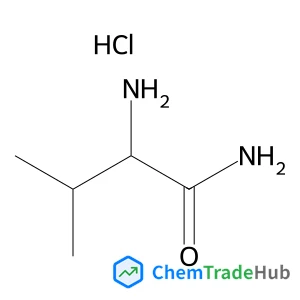
CAS Number
Related Products
![(2R)-2,7,8-Trimethyl-2-[(4R,8R)-4,8,12-trimethyltridecyl]-6-chromanol](https://static.chemtradehub.com/structs/54-/54-28-4-155c.webp)
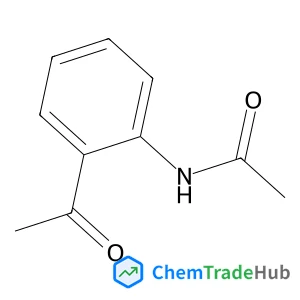
N-(2-Acetylphenyl)acetamide
CAS Number: 5234-26-4
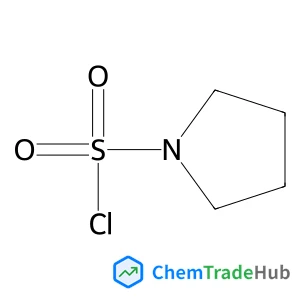
1-Pyrrolidinesulfonyl chloride
CAS Number: 1689-02-7
![3-Hexyl-2-[3-(3-hexyl-1,3-benzoxazol-2(3H)-ylidene)-1-propen-1-yl]-1,3-benzoxazol-3-ium iodide](https://static.chemtradehub.com/structs/532/53213-82-4-e483.webp)
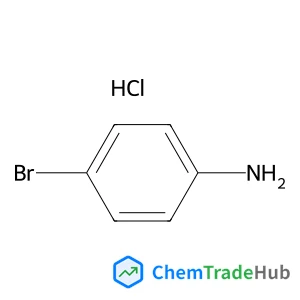
4-Bromoaniline hydrochloride (1:1)
CAS Number: 624-19-1
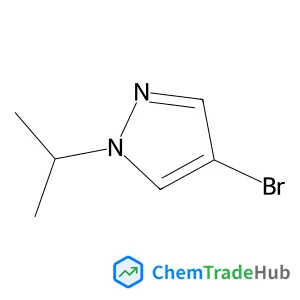
4-Bromo-1-isopropyl-1H-pyrazole
CAS Number: 313735-62-5
Other Suppliers for L-Valinamide hydrochloride (1:1)




Basic Information
Molecular Formula
C5H13ClN2O
Molecular Weight
152.63 g/mol
Physical Properties
Melting Point
266-270 °C (lit.)
Boiling Point
273.6°C at 760 mmHg
Chemical Identifiers
SMILES
CC(C)C(C(=O)N)N.Cl
InChIKey
XFCNYSGKNAWXFL-WCCKRBBISA-N
Database References
MDL Number
MFCD00039085
Beilstein Registry Number
4198583
FAQ
L-Valinamide hydrochloride (CAS: 3014-80-0) falls under the classification of organic compounds. It is regulated under the Globally Harmonized System of Classification and Labeling of Chemicals (GHS), which includes hazard communication requirements such as labels and safety data sheets. In Europe, it is also subject to the Registration, Evaluation, Authorization, and Restriction of Chemicals (REACH) regulation. Additionally, the U.S. Environmental Protection Agency (EPA) and the Food and Drug Administration (FDA) have specific requirements for the handling and use of this compound in the context of pharmaceuticals and industrial applications.
In the synthesis of related compounds, L-Valinamide hydrochloride (CAS: 3014-80-0) can be replaced with other amine derivatives such as L-lysine or L-leucine amides. Common alternative reagents include L-valine and its derivatives, which can be used in similar reactions. Isomers or analogs like D-Valinamide can also be considered as alternatives, depending on the specific application and desired properties.
The market and research trends for L-Valinamide hydrochloride (CAS: 3014-80-0) are primarily focused on its use in pharmaceuticals and as a building block in the synthesis of other compounds. Recent research trends include its application in developing new therapeutic agents and as a component in biopolymers. The demand is expected to grow due to increasing interest in amino acid derivatives for medical and industrial uses. Market trends also indicate a shift towards sustainable and biocompatible materials, which may drive further research into L-Valinamide hydrochloride.
Waste containing L-Valinamide hydrochloride (CAS: 3014-80-0) should be collected in suitable containers, labeled appropriately, and disposed of according to local regulations. For large quantities, incineration is a common method, but it should be performed by a licensed waste disposal facility to minimize environmental impact. Alternatively, professional waste disposal services can handle the waste responsibly. Precautions include ensuring the waste is neutralized to prevent pH-related hazards and following all safety guidelines to protect the environment and workers.
Safety Notice
Please verify product specifications and safety data before use. Contact the supplier for detailed safety information.
Always follow proper handling procedures