



AD
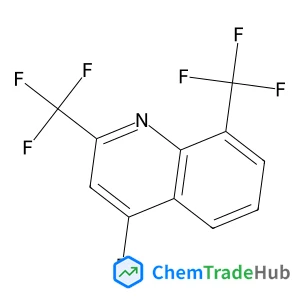
4-Bromo-2,8-bis(trifluoromethyl)quinoline(CAS: 35853-45-3)
CAS Number
Related Products
![1-(Allyloxy)-2-methyl-1-oxo-2-propanyl 2-chloro-5-[3-methyl-2,6-dioxo-4-(trifluoromethyl)-3,6-dihydro-1(2H)-pyrimidinyl]benzoate](https://static.chemtradehub.com/structs/134/134605-64-4-9291.webp)

4-Methylcinnamic acid
CAS Number: 1866-39-3

4-(Trifluoromethyl)phenol
CAS Number: 402-45-9
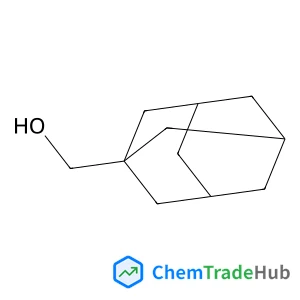
Adamantan-1-ylmethanol
CAS Number: 770-71-8
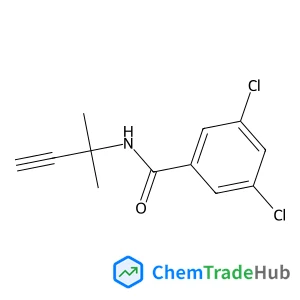
Propyzamide
CAS Number: 23950-58-5
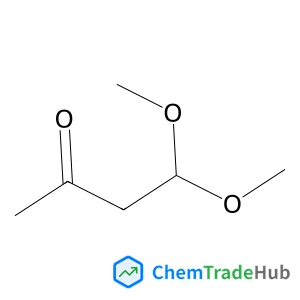
4,4-Dimethoxy-2-butanone
CAS Number: 5436-21-5

Oxo(2-thienyl)acetic acid
CAS Number: 4075-59-6
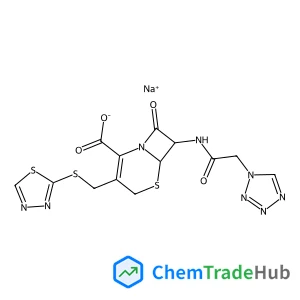
Ceftezole sodium
CAS Number: 41136-22-5
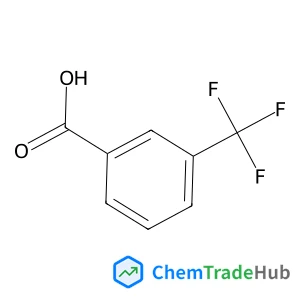
3-(Trifluoromethyl)benzoic acid
CAS Number: 454-92-2
Other Suppliers for 4-Bromo-2,8-bis(trifluoromethyl)quinoline





Basic Information
Molecular Formula
C11H4BrF6N
Molecular Weight
344.05 g/mol
Physical Properties
Melting Point
62-64 ºC
Boiling Point
281.6℃ at 760 mmHg
Chemical Identifiers
SMILES
C1=CC2=C(C(=C1)C(F)(F)F)N=C(C=C2Br)C(F)(F)F
InChIKey
DXALAFAFIXJDOS-UHFFFAOYSA-N
Database References
MDL Number
MFCD00075340
FAQ
4-Bromo-2,8-bis(trifluoromethyl)quinoline (CAS: 35853-45-3) must comply with global regulatory frameworks such as GHS for hazardous communication, REACH for European Union registration, and FDA/EPA requirements for toxicological and environmental assessments. It is classified as a hazardous substance based on its chemical properties, and appropriate safety data sheets (SDS) must be prepared for handling and transportation.
There are several alternatives to 4-Bromo-2,8-bis(trifluoromethyl)quinoline (CAS: 35853-45-3) that can be used in synthesis, such as 4-Chloro-2,8-bis(trifluoromethyl)quinoline and 4-Iodo-2,8-bis(trifluoromethyl)quinoline. These compounds can serve similar roles in organic reactions and may offer different reactivity profiles, providing flexibility in synthetic strategies.
The market and research trends for 4-Bromo-2,8-bis(trifluoromethyl)quinoline (CAS: 35853-45-3) are linked to its use in pharmaceutical and agrochemical industries. Its unique chemical structure makes it valuable for developing new drugs and pesticides. Recent research focuses on its biological activities, environmental impact, and sustainable synthesis methods.
Waste containing 4-Bromo-2,8-bis(trifluoromethyl)quinoline (CAS: 35853-45-3) should be collected in suitable containers and disposed of through professional waste disposal services to ensure safety and compliance. Incineration is a common method for disposal, but it must be conducted in an environmentally controlled incinerator. Proper environmental protection measures, including air pollution control, must be in place to minimize environmental impact.
Safety Notice
Please verify product specifications and safety data before use. Contact the supplier for detailed safety information.
Always follow proper handling procedures