



AD
4-(1-Pyrenyl)-1-butanol(CAS: 67000-89-9)
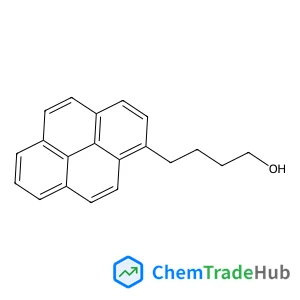
CAS Number
Related Products
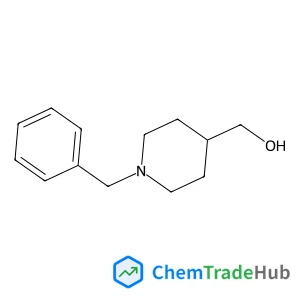
(1-Benzyl-4-piperidinyl)methanol
CAS Number: 67686-01-5
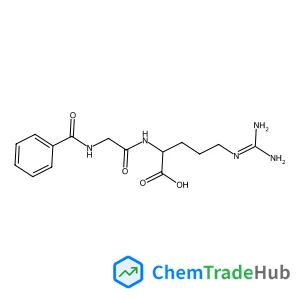
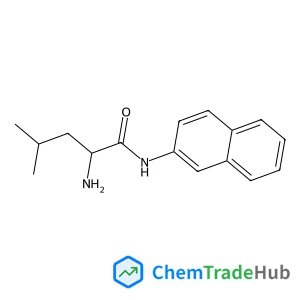
N-2-Naphthylleucinamide
CAS Number: 732-85-4
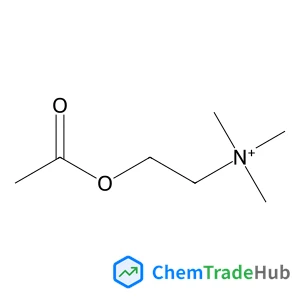
2-Acetoxy-N,N,N-trimethylethanaminium
CAS Number: 51-84-3
![1-(2,5-Dimethoxyphenyl)-2-[(2-methyl-2-propanyl)amino]-1-propanol hydrochloride (1:1)](https://static.chemtradehub.com/structs/569/5696-15-1-24a1.webp)
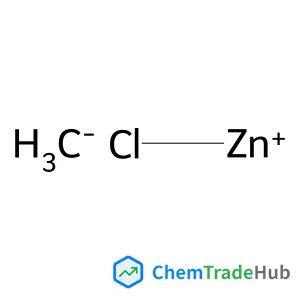
Methylzinc chloride
CAS Number: 5158-46-3
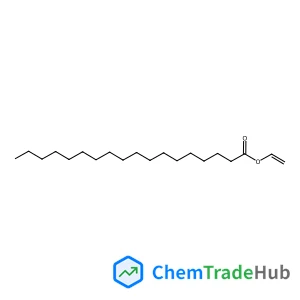
Vinyl stearate
CAS Number: 111-63-7
Other Suppliers for 4-(1-Pyrenyl)-1-butanol





Basic Information
Molecular Formula
C20H18O
Molecular Weight
274.36 g/mol
Physical Properties
Melting Point
80-83 °C (lit.)
Boiling Point
488.4°C at 760 mmHg
Density
1.217
Flash Point
205.4°C
Chemical Identifiers
SMILES
C1=CC2=C3C(=C1)C=CC4=C(C=CC(=C43)C=C2)CCCCO
InChIKey
MRENSFROWALQNU-UHFFFAOYSA-N
Database References
MDL Number
MFCD00192423
FAQ
4-(1-Pyrenyl)-1-butanol (CAS: 67000-89-9) is subject to the Globally Harmonized System (GHS) for classification and labeling of chemicals, including hazards related to flammability, toxicity, and reactivity. In the European Union, it is regulated under the REACH (Registration, Evaluation, Authorization, and Restriction of Chemicals) framework. In the USA, the FDA and EPA may have specific regulations regarding its use in pharmaceuticals and environmental releases, respectively.
Yes, alternatives to 4-(1-Pyrenyl)-1-butanol include other pyrene derivatives and related butanol analogs. Common substitutes in synthesis include 1-pentanol and 1-hexanol, which can serve similar functional groups. Additionally, isomers of 4-(1-pyrenyl)-1-butanol and other pyrenyl-substituted alcohols can be used depending on the specific application.
The market for 4-(1-Pyrenyl)-1-butanol is primarily driven by its use in organic synthesis, photoluminescent materials, and dye-making. Research trends are focusing on its applications in advanced OLED materials and as a precursor in the development of novel fluorescent probes. The demand is expected to grow with advancements in these fields.
Waste containing 4-(1-Pyrenyl)-1-butanol should be collected in appropriate containers and stored under controlled conditions to prevent spills or releases. It should be disposed of through professional waste disposal services that comply with local regulations. Incineration is a common disposal method, but it must be conducted in a way that ensures complete combustion to minimize environmental impact. Proper environmental protection measures, such as containment and spill prevention, should be maintained throughout the handling process.
Safety Notice
Please verify product specifications and safety data before use. Contact the supplier for detailed safety information.
Always follow proper handling procedures

Contact Information
Contact Person
Li Xinyu
1668592116@qq.com
Mobile
19147740836
Telephone
021-34675735
Visit Website
http://www.shgcsw-edu.com/Address
ShangHai JiaDing District JuYan New Area ShuPing Road 588 Long 19 Hao