



AD
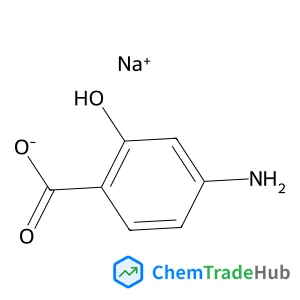
P-AMINOSALICYLIC ACID SODIUM SALT(CAS: 8031-28-5)
CAS Number
Related Products
![2-[(Methylsulfanyl)methyl]furan](https://static.chemtradehub.com/structs/143/1438-91-1-5bca.webp)
2-[(Methylsulfanyl)methyl]furan
CAS Number: 1438-91-1
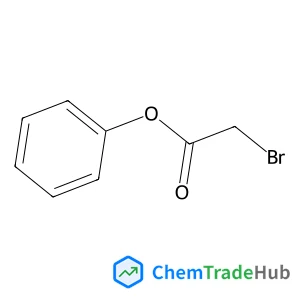
Phenyl bromoacetate
CAS Number: 620-72-4
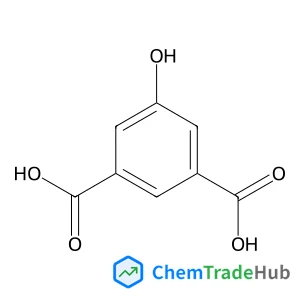
5-Hydroxyisophthalic acid
CAS Number: 618-83-7
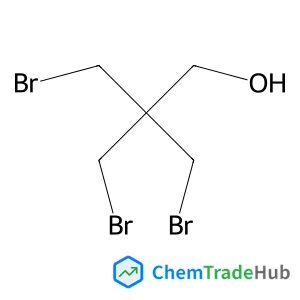
3,3,3-Tribromo-2,2-dimethyl-1-propanol
CAS Number: 36483-57-5
![[1,1'-biphenyl]-4,4'-dicarboxylic acid](https://static.chemtradehub.com/structs/787/787-70-2-a537.webp)
[1,1'-biphenyl]-4,4'-dicarboxylic acid
CAS Number: 787-70-2
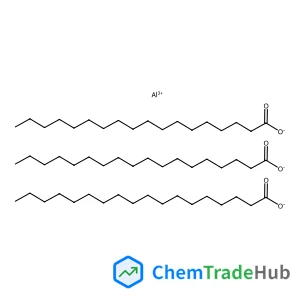
Aluminium trioctadecanoate
CAS Number: 637-12-7
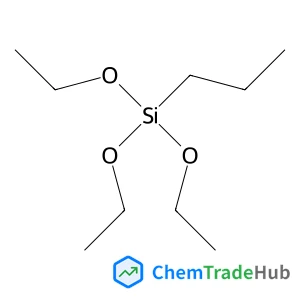
Triethoxy(propyl)silane
CAS Number: 2550-02-9
Other Suppliers for P-AMINOSALICYLIC ACID SODIUM SALT
Basic Information
Molecular Formula
C7H6NNaO3
Molecular Weight
175.12 g/mol
Chemical Identifiers
SMILES
C1=CC(=C(C=C1N)O)C(=O)[O-].[Na+]
InChIKey
FVVDKUPCWXUVNP-UHFFFAOYSA-M
Database References
MDL Number
MFCD00151044
FAQ
P-Aminosalicylic acid sodium salt (CAS 8031-28-5) is subject to various regulatory guidelines. It is classified under the Globally Harmonized System of Classification and Labelling of Chemicals (GHS) as a skin irritant. Additionally, it falls under the European Union's REACH regulations, requiring manufacturers and importers to register substances above certain tonnage. In the U.S., FDA regulations govern its use in pharmaceuticals, while EPA regulations apply to its environmental impact and handling.
In synthesis, P-aminosalicylic acid sodium salt (CAS 8031-28-5) can be replaced by other compounds, such as 2-amino-6-methylbenzoic acid sodium salt. Other alternatives include using isonicotinoyl hydrazine or ethionamide, which are also used in the treatment of tuberculosis. These alternatives offer similar antimicrobial properties but may have different synthetic pathways and reactivity profiles.
The market for P-aminosalicylic acid sodium salt (CAS 8031-28-5) is driven by its use in the treatment of drug-resistant tuberculosis. Research trends are focusing on its efficacy in combination therapies and its potential for improving patient outcomes. Market trends indicate a steady demand, especially in developing countries where tuberculosis is more prevalent. Emerging studies are also exploring its use in other bacterial infections and as a lead compound for drug development.
Waste containing P-aminosalicylic acid sodium salt (CAS 8031-28-5) should be handled with care to ensure safety and compliance with environmental regulations. Waste liquids should be collected in appropriate containers and stored in a secure, well-ventilated area. Incineration or professional waste disposal services are recommended to dispose of the waste. Before disposal, it is essential to neutralize any acidic or basic components and ensure that the waste meets the disposal standards set by environmental agencies. Proper environmental protection measures should be taken to prevent contamination of soil and water sources.
Safety Notice
Please verify product specifications and safety data before use. Contact the supplier for detailed safety information.
Always follow proper handling procedures
Contact Information
Contact Person
Manager Wan
2899769787@qq.com