



AD
zinc(2+) ion bis(4-hydroxybenzene-1-sulfonate)(CAS: 127-82-2)
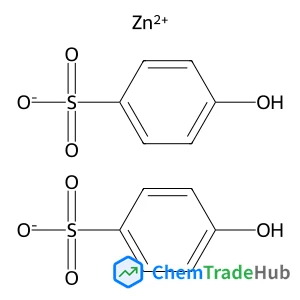
CAS Number
Related Products
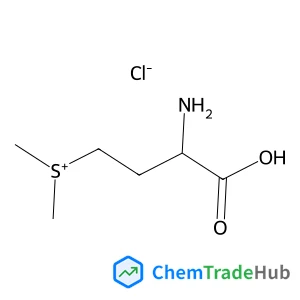
DL-Methionine methylsulfonium chloride
CAS Number: 3493-12-7
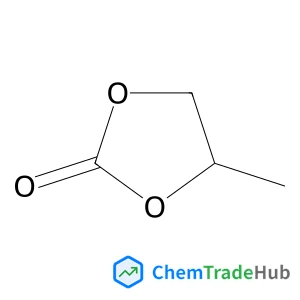
4-Methyl-1,3-dioxolan-2-one
CAS Number: 108-32-7
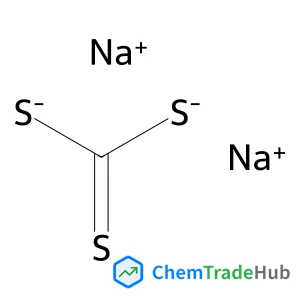
Disodium carbonotrithioate
CAS Number: 534-18-9
![1-Deoxy-1-(7,8-dimethyl-2,4-dioxo-3,4-dihydrobenzo[g]pteridin-10(2H)-yl)-D-ribitol](https://static.chemtradehub.com/structs/83-/83-88-5-5d5e.webp)
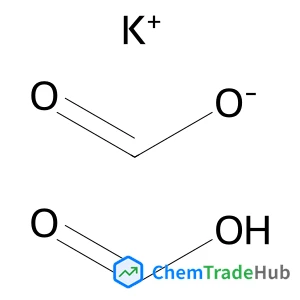
Potassium diformate
CAS Number: 20642-05-1
![4-Nitrobenzyl (5R,6S)-6-[(1R)-1-hydroxyethyl]-3,7-dioxo-1-azabicyclo[3.2.0]heptane-2-carboxylate](https://static.chemtradehub.com/structs/742/74288-40-7-06d3.webp)
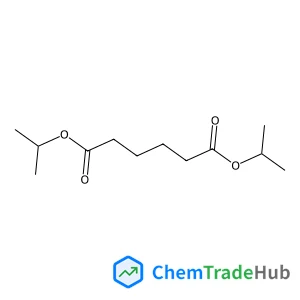
Diisopropyl adipate
CAS Number: 6938-94-9
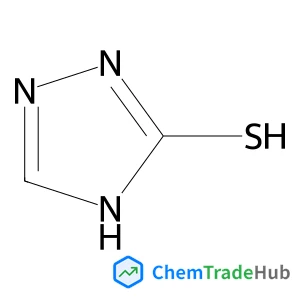
1H-1,2,4-Triazole-3-thiol
CAS Number: 3179-31-5
Other Suppliers for zinc(2+) ion bis(4-hydroxybenzene-1-sulfonate)





Basic Information
Molecular Formula
C12H10O8S2Zn
Molecular Weight
411.71 g/mol
Chemical Identifiers
SMILES
[Zn+2].Oc1ccc(cc1)S(=O)(=O)[O-].Oc1ccc(cc1)S(=O)(=O)[O-]
InChIKey
ZNVKGUVDRSSWHV-UHFFFAOYSA-L
Database References
MDL Number
MFCD00069183
FAQ
Zinc(2+) ion bis(4-hydroxybenzene-1-sulfonate) (CAS: 127-82-2) is subject to various regulatory guidelines such as GHS classification, REACH regulations, and FDA/EPA related requirements. It is essential to comply with these guidelines to ensure safe handling, storage, and disposal. GHS categorizes the compound based on its health and environmental hazards, while REACH regulations require manufacturers to provide safety data sheets (SDS) and conduct risk assessments. For further details, consult the SDS and relevant regulatory bodies.
There are several alternatives to zinc(2+) ion bis(4-hydroxybenzene-1-sulfonate) (CAS: 127-82-2) in synthesis, including other zinc salts and organic complexes. Common alternatives include zinc acetate, zinc chloride, and other zinc(II) compounds. Additionally, isomers and analogs such as zinc(2+) ion bis(phenolate) can also be used. These alternatives may offer different reaction profiles and properties, making them suitable for specific applications in organic synthesis.
The market for zinc(2+) ion bis(4-hydroxybenzene-1-sulfonate) (CAS: 127-82-2) is influenced by its applications in catalysis, corrosion inhibition, and pharmaceuticals. Research trends are shifting towards the development of more sustainable and environmentally friendly compounds. Emerging research focuses on the use of this compound in green chemistry processes and its potential applications in renewable energy technologies. As the market evolves, there is a growing interest in exploring its role in emerging technologies and green chemistry initiatives.
Waste containing zinc(2+) ion bis(4-hydroxybenzene-1-sulfonate) (CAS: 127-82-2) should be handled in accordance with local and international regulations. Collect waste liquids in appropriate containers and ensure proper labeling. Incineration and professional waste disposal are common methods for managing hazardous waste. Implement environmental protection precautions, such as minimizing spills and ensuring the waste is treated before disposal. Consult local environmental agencies for specific guidelines and regulations regarding waste disposal.
Safety Notice
Please verify product specifications and safety data before use. Contact the supplier for detailed safety information.
Always follow proper handling procedures
Contact Information
2355916829@ycphar.com