



AD
2-Methylpropanoic acid(CAS: 79-31-2)
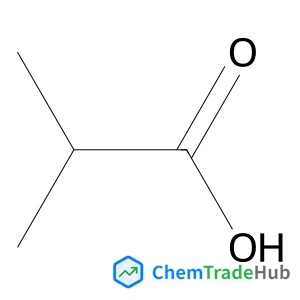
CAS Number
Related Products
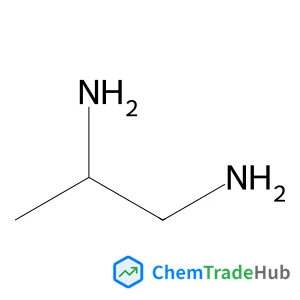
1,2-Propanediamine
CAS Number: 78-90-0
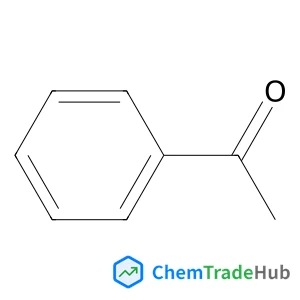
Acetophenone
CAS Number: 98-86-2
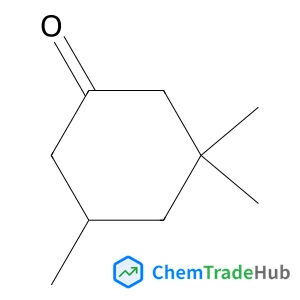
3,3,5-Trimethylcyclohexanone
CAS Number: 873-94-9
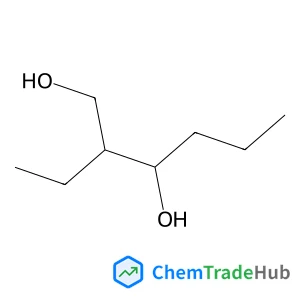
Ethohexadiol
CAS Number: 94-96-2
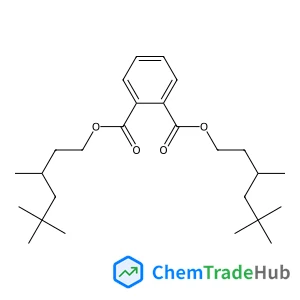
Bis(7-methyloctyl) phthalate
CAS Number: 68515-48-0
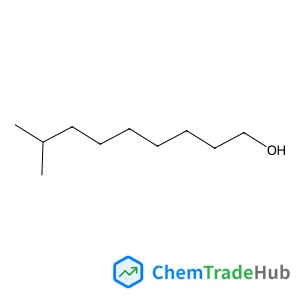
1,8-Nonanediol
CAS Number: 68526-85-2
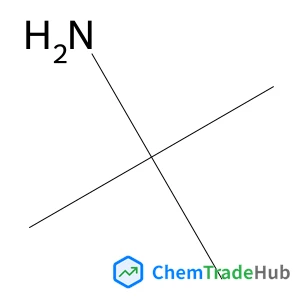
2-Methyl-2-propanamine
CAS Number: 75-64-9
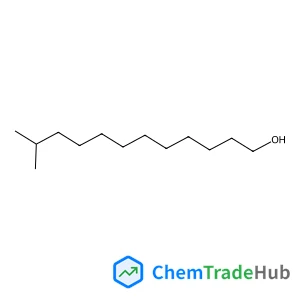
11-Methyl-1-dodecanol
CAS Number: 68526-86-3
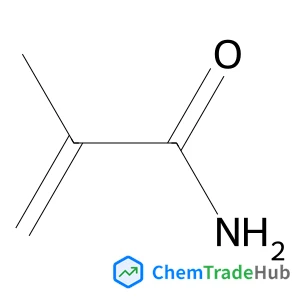
Methacrylamide
CAS Number: 79-39-0
Other Suppliers for 2-Methylpropanoic acid




Basic Information
Molecular Formula
C4H8O2
Molecular Weight
88.11 g/mol
Physical Properties
Melting Point
−47 °C (lit.)
Boiling Point
153-154 °C(lit.)
Density
0.95 g/mL at 25 °C(lit.)
Water Solubility
210 g/L (20 ºC)
Chemical Identifiers
SMILES
CC(C)C(=O)O
InChIKey
KQNPFQTWMSNSAP-UHFFFAOYSA-N
Database References
MDL Number
MFCD00002658
Beilstein Registry Number
635770
FAQ
2-Methylpropanoic acid (CAS: 79-31-2) is a colorless oily liquid with a pungent odor. It has a molecular weight of 90.08 g/mol and a boiling point of 144-145°C. The compound is slightly soluble in water but miscible with most organic solvents. It is acidic and can react with bases to form salts. It is also prone to esterification and can undergo various substitution reactions.
2-Methylpropanoic acid can be synthesized via several methods. One common method involves the hydration of propionaldehyde using a catalyst such as phosphoric acid. Another method includes the oxidation of 2-methylpropan-2-ol with sodium hypochlorite. Both methods yield high selectivity and good yields.
2-Methylpropanoic acid is widely used in the pharmaceutical industry as a precursor for the synthesis of esters and salts used in drug formulations. It is also utilized in the chemical industry for the production of polymers, particularly in the synthesis of polyurethanes. Additionally, it finds applications in the manufacturing of environmental sensing devices and as a raw material in semiconductor processes.
When handling 2-Methylpropanoic acid (CAS: 79-31-2), proper personal protective equipment (PPE) such as gloves, goggles, and a lab coat should be worn. It should be stored in a cool, dry place away from direct sunlight. In case of a spill, it should be handled with a fume hood to avoid inhalation. Always refer to the Safety Data Sheet (SDS) for detailed safety information and emergency response procedures.
Safety Notice
Please verify product specifications and safety data before use. Contact the supplier for detailed safety information.
Always follow proper handling procedures
Contact Information
clife@clife.com.cn