



AD
2,6-Dichloro-4-nitropyridine(CAS: 25194-01-8)
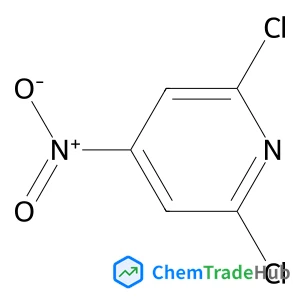
CAS Number
Related Products

3-(Methylsulfanyl)propyl acetate
CAS Number: 16630-55-0

3,6-Difluoro-2-pyrazinecarboxamide
CAS Number: 356783-29-4

Dihydro-α-terpineol
CAS Number: 498-81-7

Copper(1+) sulfidocopper
CAS Number: 22205-45-4


Atorvastatin Impurity 56
CAS Number: 124401-38-3

Phenyl Benzoate
CAS Number: 93-99-2

Glycine ethyl ester monohydrochloride
CAS Number: 623-33-6

Pentafluoroethanesulfonic acid
CAS Number: 354-88-1
Other Suppliers for 2,6-Dichloro-4-nitropyridine






Basic Information
Molecular Formula
C5H2Cl2N2O2
Molecular Weight
192.98 g/mol
Physical State
Pale-yellow to Yellow-brown Solid
Physical Properties
Melting Point
94-98 °C
Boiling Point
282.9℃ at 760 mmHg
Density
1.629
Flash Point
124.9℃
Chemical Identifiers
SMILES
C1=C(C=C(N=C1Cl)Cl)[N+](=O)[O-]
InChIKey
BZYQSSVTQJTUDD-UHFFFAOYSA-N
Database References
MDL Number
MFCD05670545
FAQ
2,6-Dichloro-4-nitropyridine (CAS: 25194-01-8) falls under regulatory guidelines such as GHS classification, which categorizes it as a hazardous substance due to its potential to cause skin and eye irritation. In Europe, it must comply with REACH regulations, which require manufacturers and importers to register and assess the risks of chemicals. For FDA and EPA, it is subject to specific testing and reporting requirements to ensure environmental and occupational safety.
Alternative reagents to 2,6-Dichloro-4-nitropyridine include 3-chloro-5-nitropyridine and 2-chloro-4-nitropyridine, which can be used in synthesis as viable substitutes. These compounds can often achieve similar functional outcomes with potentially different reactivity and selectivity profiles, providing flexibility in chemical synthesis.
The market for 2,6-Dichloro-4-nitropyridine (CAS: 25194-01-8) is driven by its applications in the synthesis of pharmaceuticals and pesticides. Research trends indicate growing interest in developing more environmentally friendly alternatives and optimizing synthetic routes. The trend towards sustainable chemistry and green chemistry is also influencing the research landscape, focusing on reducing the environmental impact of such compounds.
Waste containing 2,6-Dichloro-4-nitropyridine (CAS: 25194-01-8) should be collected in appropriate containers and stored in a well-ventilated area away from sources of ignition. Incineration is a common disposal method, but professional waste disposal services are recommended due to the potential for hazardous emissions. Environmental protection precautions include proper handling to prevent accidental spills and ensuring compliance with local and national regulations.
Safety Notice
Please verify product specifications and safety data before use. Contact the supplier for detailed safety information.
Always follow proper handling procedures
Contact Information
1018283355@qq.com
Mobile
15172537016
Telephone
027-59503710
Fax
QQ联系更便捷,QQ:1018283355,1018289922
Visit Website
http://www.xinhonglichem.com