



AD
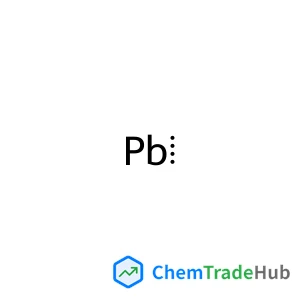
lead(2+)(CAS: 7439-92-1)
CAS Number
Related Products
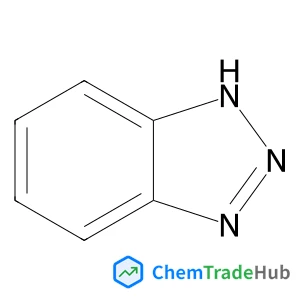
Bestatin Impurity 11
CAS Number: 95-14-7
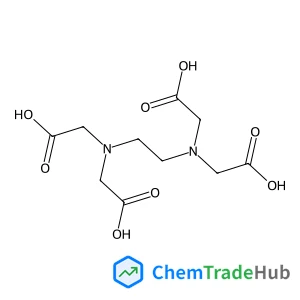
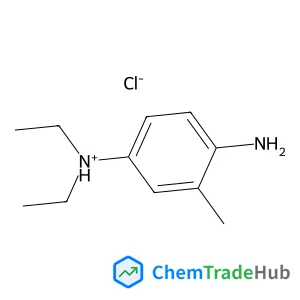
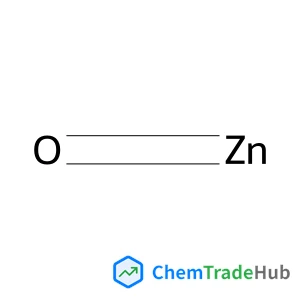
Zinc oxide
CAS Number: 1314-13-2
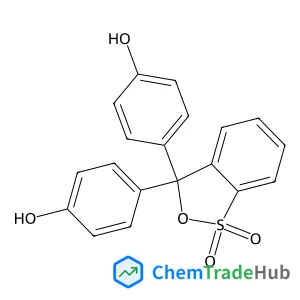
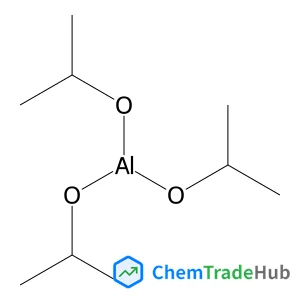
Aluminum Isopropoxide
CAS Number: 555-31-7
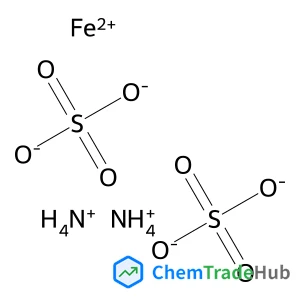
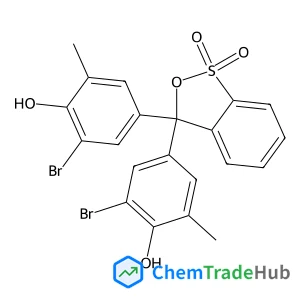
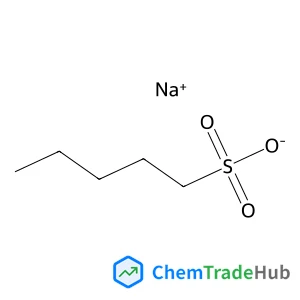
Sodium 1-pentanesulfonate
CAS Number: 22767-49-3
Other Suppliers for lead(2+)






Basic Information
Molecular Formula
Pb
Molecular Weight
207 g/mol
Physical Properties
Melting Point
327.4 °C (lit.)
Boiling Point
1740 °C(lit.)
Density
11.340 g/cm3
Chemical Identifiers
SMILES
[Pb]
InChIKey
RVPVRDXYQKGNMQ-UHFFFAOYSA-N
Database References
MDL Number
MFCD00134050
FAQ
Lead(2+) is regulated under the Globally Harmonized System (GHS) as a toxic substance. In the EU, it falls under REACH regulations, requiring manufacturers and importers to register substances above one tonne per year. The FDA regulates its use in food and pharmaceuticals, while the EPA oversees its presence in the environment and potential impact on health and ecosystems.
Lead(2+) is often used in certain chemical syntheses, but safer alternatives like zinc or tin are available. In specific applications, cadmium or bismuth can serve as substitutes. It’s important to evaluate the specific requirements of the synthesis to determine the most suitable alternative.
The market for lead(2+) is declining due to its toxicity and environmental concerns. However, it continues to be used in niche applications. Research trends are moving towards safer alternatives and more environmentally friendly methods. The trend is towards reducing lead usage and exploring new materials in electronics, paints, and other industries.
Waste containing lead(2+) should be handled with care to prevent contamination. It should be collected in appropriate containers and stored in a secure location. Professional waste disposal services should be used for incineration or safe disposal. Environmental protection measures include ensuring no discharge into soil or water, and following local regulations for handling hazardous waste.
Safety Notice
Please verify product specifications and safety data before use. Contact the supplier for detailed safety information.
Always follow proper handling procedures
Contact Information
Contact Person
Wang Yan