



AD
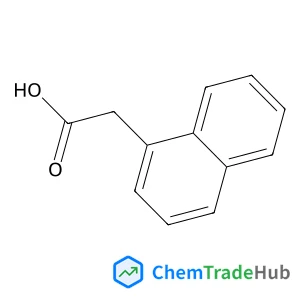
1-Naphthylacetic acid(CAS: 86-87-3)
CAS Number
Related Products
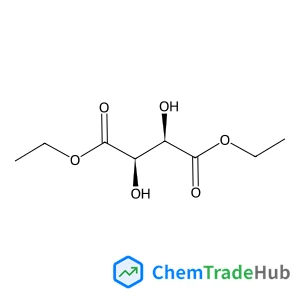
Diethyl (2R,3R)-2,3-dihydroxysuccinate
CAS Number: 87-91-2
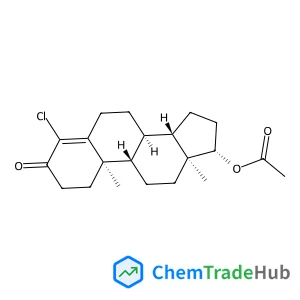
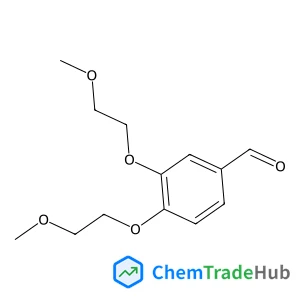
3,4-Bis(2-methoxyethoxy)benzaldehyde
CAS Number: 80407-64-3
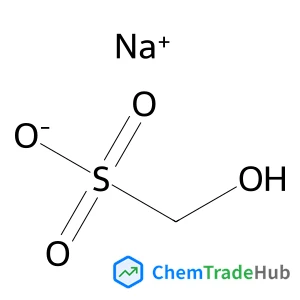
Sodium hydroxymethanesulfonate
CAS Number: 870-72-4
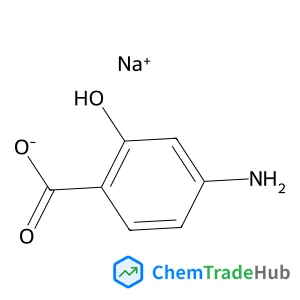
P-AMINOSALICYLIC ACID SODIUM SALT
CAS Number: 8031-28-5
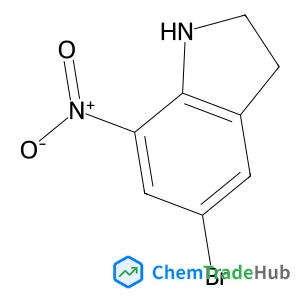
5-Bromo-7-nitroindoline
CAS Number: 80166-90-1
![Benzyl (3S)-2-{N-[(2S)-1-ethoxy-1-oxo-4-phenyl-2-butanyl]-L-alanyl}-1,2,3,4-tetrahydro-3-isoquinolinecarboxylate (2Z)-2-butenedioate (1:1)](https://static.chemtradehub.com/structs/825/82586-54-7-6819.webp)
![9,10-Difluoro-3-methyl-7-oxo-2,3-dihydro-7H-[1,4]oxazino[2,3,4-ij]quinoline-6-carboxylic acid](https://static.chemtradehub.com/structs/824/82419-35-0-4960.webp)
![(3S)-2-[(2S)-2-[[(2S)-1-ethoxy-1-oxo-4-phenylbutan-2-yl]amino]propanoyl]-6,7-dimethoxy-3,4-dihydro-1H-isoquinoline-3-carboxylic acid;hydrochloride](https://static.chemtradehub.com/structs/825/82586-52-5-119f.webp)
Other Suppliers for 1-Naphthylacetic acid


Basic Information
Molecular Formula
C12H10O2
Molecular Weight
186.21 g/mol
Physical Properties
Melting Point
129.0 to 135.0 deg-C
Boiling Point
280.69°C (rough estimate)
Density
1.1032 (rough estimate)
Flash Point
>100°C
Water Solubility
Slightly soluble in water, ethanol, acetone, chloroform and ether.
Chemical Identifiers
SMILES
OC(=O)Cc1cccc2ccccc12
InChIKey
PRPINYUDVPFIRX-UHFFFAOYSA-N
Database References
MDL Number
MFCD00004046
Beilstein Registry Number
1308415
FAQ
1-Naphthylacetic acid, with the CAS number 86-87-3, is a synthetic organic compound used in various scientific applications. It belongs to the class of naphthalene derivatives and has a chemical formula of C12H10O2. This compound is known for its acidic properties and is commonly used in research for its biological activity. It appears as a white crystalline solid and is soluble in organic solvents. Its structure includes a naphthyl group attached to an acetic acid moiety, making it a versatile compound in chemical synthesis.
1-Naphthylacetic acid (CAS: 86-87-3) is primarily used in pharmaceutical research as a precursor for certain drugs. It also serves as an intermediate in organic chemistry for synthesizing other compounds. In agricultural science, it may be used in formulations related to plant growth regulators. Additionally, it is employed in the production of dyes, pigments, and other specialty chemicals. Its versatility makes it an important compound in chemical and biological studies.
1-Naphthylacetic acid (CAS: 86-87-3) is generally considered safe when handled properly. However, it can be harmful if ingested or inhaled in large quantities. Prolonged skin contact may cause irritation. Safety measures include wearing gloves, goggles, and a lab coat during handling. It should be kept away from heat and incompatible substances. Safety standards follow guidelines for handling organic acids and naphthalene derivatives.
1-Naphthylacetic acid (CAS: 86-87-3) should be stored in a cool, dry, and well-ventilated area, away from direct light. It is best kept in a sealed container to prevent moisture absorption. The ideal storage temperature is below 25°C, and humidity should be controlled to maintain stability. Avoid exposure to incompatible materials such as strong oxidizers. Proper storage ensures the compound remains chemically stable and safe for use.
Safety Notice
Please verify product specifications and safety data before use. Contact the supplier for detailed safety information.
Always follow proper handling procedures
Contact Information
hubeixinyuanshun@163.com