



AD
4-Hydroxybutyl acrylate(CAS: 2478-10-6)
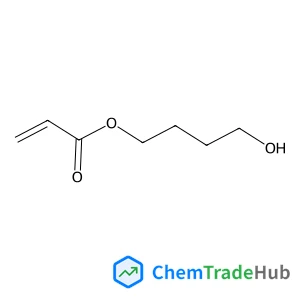
CAS Number
Related Products
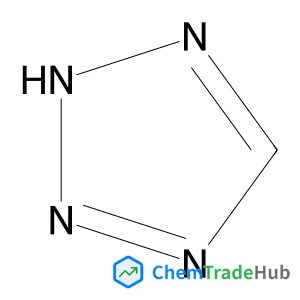
2H-Tetrazole
CAS Number: 288-94-8
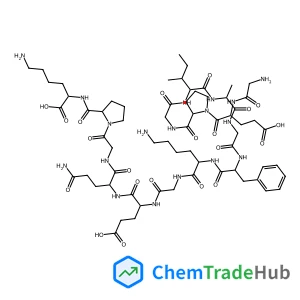
Collagen(cattle skin) (9CI)
CAS Number: 9064-67-9
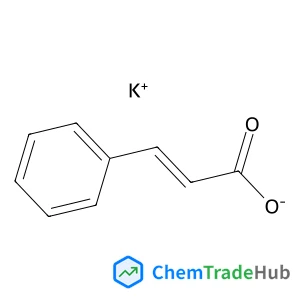
Potassium (2E)-3-phenylacrylate
CAS Number: 16089-48-8
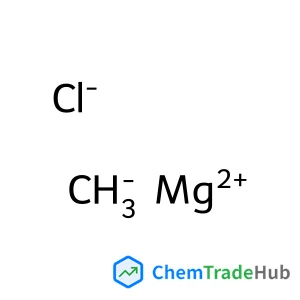
Chloro(methyl)magnesium
CAS Number: 676-58-4
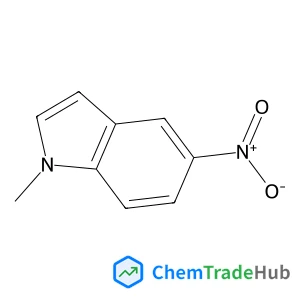
1-Methyl-5-nitro-1H-indole
CAS Number: 29906-67-0
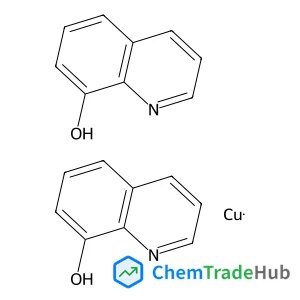
Bis(8-quinolinolato)copper(II)
CAS Number: 10380-28-6
![2-[4-(1-Hydroxy-4-{4-[hydroxy(diphenyl)methyl]-1-piperidinyl}butyl)phenyl]-2-methylpropanoic acid hydrochloride (1:1)](https://static.chemtradehub.com/structs/153/153439-40-8-f2bf.webp)
Other Suppliers for 4-Hydroxybutyl acrylate




Basic Information
Molecular Formula
C7H12O3
Molecular Weight
144.17 g/mol
Physical Properties
Melting Point
-112°C
Boiling Point
95°C/0.1mmHg(lit.)
Chemical Identifiers
SMILES
OCCCCOC(=O)C=C
InChIKey
NDWUBGAGUCISDV-UHFFFAOYSA-N
Database References
MDL Number
MFCD00010261
Beilstein Registry Number
1756545
FAQ
4-Hydroxybutyl acrylate (CAS: 2478-10-6) is subject to various regulatory guidelines including GHS classification, REACH regulations in the EU, and FDA and EPA requirements in the United States. It is classified as a skin and eye irritant, requiring appropriate labeling and handling. Additionally, manufacturers must comply with local and international environmental protection regulations to ensure safe disposal and use.
There are several alternatives to 4-Hydroxybutyl acrylate (CAS: 2478-10-6) in synthesis, including other acrylates like 2-hydroxyethyl acrylate and 2-hydroxypropyl acrylate. Isomers and analogs such as glycidyl acrylate can also be used as substitutes depending on the specific application requirements. These alternatives offer similar functional groups but may vary in reactivity and properties.
The market for 4-Hydroxybutyl acrylate (CAS: 2478-10-6) reflects growing interest in biodegradable and sustainable materials, driving research and development in the field of acrylate-based polymers. The trend indicates increasing use in applications such as adhesives, coatings, and biomedical materials. Additionally, advancements in manufacturing processes and cost reduction are expected to further boost market growth.
Waste containing 4-Hydroxybutyl acrylate (CAS: 2478-10-6) should be managed carefully. Collection of waste liquids should be done in appropriate containers lined with inert materials. For large quantities, professional waste disposal services should be used for incineration or other approved methods to ensure safe disposal. Proper environmental protection measures, including spill containment and cleanup procedures, should be implemented to prevent environmental contamination.
Safety Notice
Please verify product specifications and safety data before use. Contact the supplier for detailed safety information.
Always follow proper handling procedures