



AD
Cyclooctanol(CAS: 696-71-9)
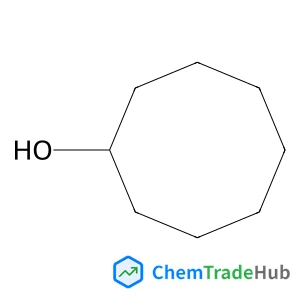
CAS Number
Related Products
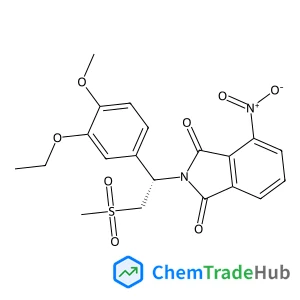
Apremilast Impurity 19
CAS Number: 2095036-40-9
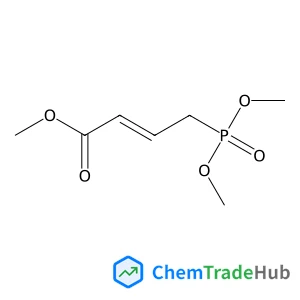
Trimethyl-4-phosphonocrotonate
CAS Number: 86120-40-3
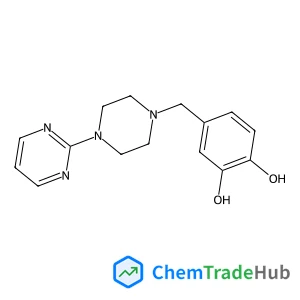
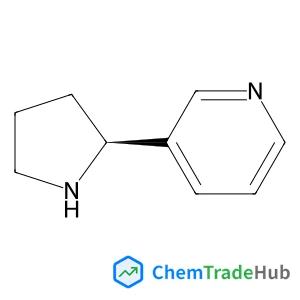
3-(2-Pyrrolidinyl)pyridine
CAS Number: 494-97-3
![(3aS,5S,6R,7aR,7bS,9aS,10R,12aS,12bS)-10-[(2S,3S,4S,5S)-5-Ethyl-3,4-dihydroxy-6-methyl-2-heptanyl]-5,6-dihydroxy-7a,9a-dimethylhexadecahydro-3H-benzo[c]indeno[5,4-e]oxepin-3-one](https://static.chemtradehub.com/structs/804/80483-89-2-471a.webp)
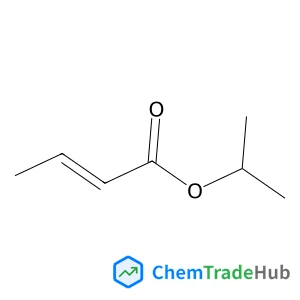
Isopropyl (2E)-2-butenoate
CAS Number: 6284-46-4
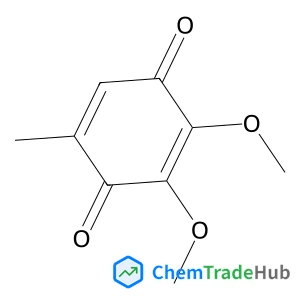
2,3-Dimethoxy-5-methyl-1,4-benzoquinone
CAS Number: 605-94-7
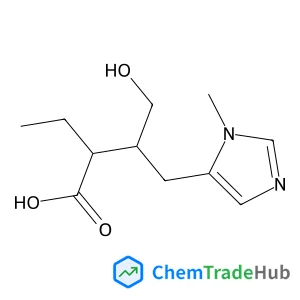
Isopilocarpic acid
CAS Number: 34350-99-7
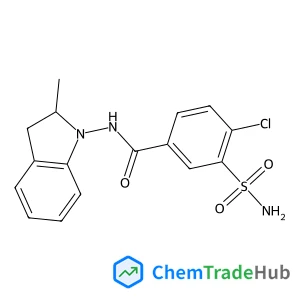
rac Indapamide-d3
CAS Number: 1217052-38-4
Other Suppliers for Cyclooctanol






Basic Information
Molecular Formula
C8H16O
Molecular Weight
128.22 g/mol
Physical Properties
Melting Point
14-15 °C(lit.)
Boiling Point
108°C/22mmHg(lit.)
Density
0.974 g/mL at 25 °C(lit.)
Flash Point
187 °F
Chemical Identifiers
SMILES
C1CCCC(CCC1)O
InChIKey
FHADSMKORVFYOS-UHFFFAOYSA-N
Database References
MDL Number
MFCD00001744
Beilstein Registry Number
1848166
FAQ
Cyclooctanol (CAS: 696-71-9) is regulated under the Globally Harmonized System of Classification and Labelling of Chemicals (GHS), which includes handling, storage, and disposal guidelines. In Europe, it is covered under the Registration, Evaluation, Authorisation and Restriction of Chemicals (REACH) regulation. For use in the United States, it must comply with the Food and Drug Administration (FDA) and Environmental Protection Agency (EPA) requirements, including safety data sheets and proper labeling.
Several alternatives to cyclooctanol (CAS: 696-71-9) can be used in synthesis, such as cyclohexanol and cyclohexanone, which are structurally similar and can serve as viable substitutes. Other options include using different cyclic alcohols or employing alternative synthetic routes that do not involve cyclooctanol.
The market for cyclooctanol (CAS: 696-71-9) shows stable demand in industries such as cosmetics, pharmaceuticals, and as a component in various chemical formulations. Research trends focus on its applications in green chemistry, biodegradability, and as a precursor in the synthesis of other compounds. Recent studies also explore its potential in environmental remediation and as a renewable resource.
Waste containing cyclooctanol (CAS: 696-71-9) should be collected in appropriate containers and stored in a well-ventilated area away from heat and ignition sources. Incineration is a common disposal method, but it must be conducted under controlled conditions to minimize environmental impact. Alternatively, professional waste disposal services can manage the waste, ensuring compliance with local regulations and environmental protection measures.
Safety Notice
Please verify product specifications and safety data before use. Contact the supplier for detailed safety information.
Always follow proper handling procedures

Contact Information
sales@chem-strong.com
Mobile
13670046396
Telephone
86-755-66853366
Fax
86-755-
Visit Website
https://www.chem-strong.com/