



AD
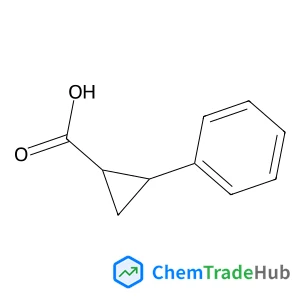
trans-2-Phenylcyclopropanecarboxylic acid(CAS: 939-90-2)
CAS Number
Related Products
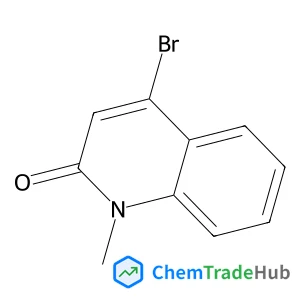
4-Bromo-1-methylquinolin-2(1H)-one
CAS Number: 941-72-0
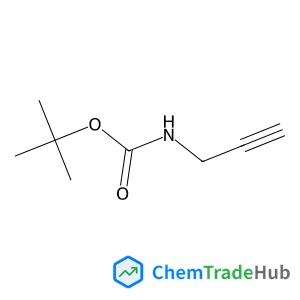
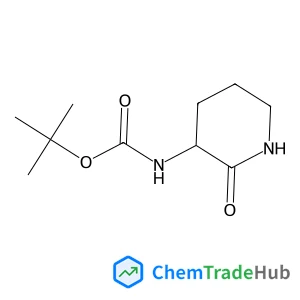
n-Boc-propargylamine
CAS Number: 92136-39-5
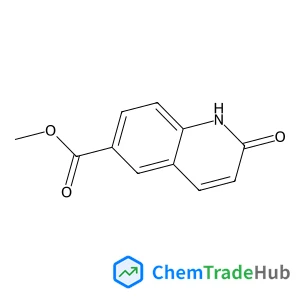
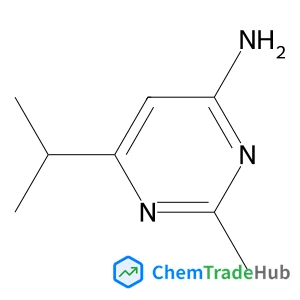
6-Isopropyl-2-methylpyrimidin-4-amine
CAS Number: 95206-97-6
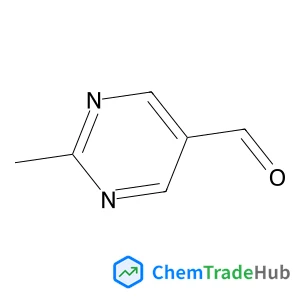
2-Methylpyrimidine-5-carbaldehyde
CAS Number: 90905-33-2
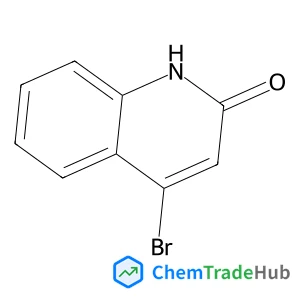
4-Bromo-1H-quinolin-2-one
CAS Number: 938-39-6
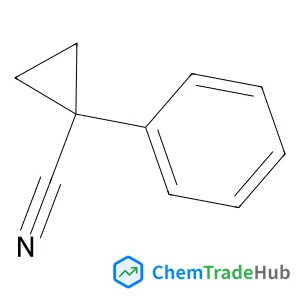
1-phenylcyclopropane-1-carbonitrile
CAS Number: 935-44-4
Other Suppliers for trans-2-Phenylcyclopropanecarboxylic acid



Basic Information
Molecular Formula
C10H10O2
Molecular Weight
162.19 g/mol
Physical Properties
Melting Point
86.0 to 91.0 deg-C
Boiling Point
317.1℃ at 760 mmHg
Density
1.0613 (rough estimate)
Flash Point
144.3 °C
Chemical Identifiers
SMILES
C1C(C1C(=O)O)C2=CC=CC=C2
InChIKey
AHDDRJBFJBDEPW-DTWKUNHWSA-N
Database References
MDL Number
MFCD00001292
FAQ
Trans-2-Phenylcyclopropanecarboxylic acid is a white crystalline solid with a molecular weight of approximately 168.21 g/mol. It is slightly soluble in water but soluble in organic solvents like ethanol and acetone. The compound is moderately reactive, showing carboxylic acid characteristics such as esterification and neutralization reactions.
Trans-2-Phenylcyclopropanecarboxylic acid can be synthesized via a multi-step process involving the formation of a cyclopropane ring followed by alkylation and carboxylation. Commonly, this involves the use of lithium dialkylcuprates as nucleophiles and carboxylation with carbon dioxide. The reaction conditions include the use of a Lewis acid catalyst and appropriate solvents to ensure high selectivity and yield.
Trans-2-Phenylcyclopropanecarboxylic acid finds applications in pharmaceuticals, specifically in the development of certain drugs due to its structural characteristics. It is also used in the production of certain polymers and sensors, although its use in semiconductors is less common due to its crystalline nature and limited electronic properties.
When handling trans-2-Phenylcyclopropanecarboxylic acid, it is important to wear appropriate personal protective equipment (PPE) such as gloves, goggles, and a lab coat. The compound should be handled in a well-ventilated area or a fume hood to prevent inhalation. Spills should be cleaned up using appropriate absorbent materials and disposed of according to local regulations. Always refer to the Safety Data Sheet (SDS) for detailed handling and storage information.
Safety Notice
Please verify product specifications and safety data before use. Contact the supplier for detailed safety information.
Always follow proper handling procedures
Contact Information
sales@ntminyanmedical.com