



AD
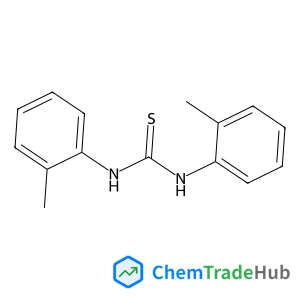
1,3-Bis(2-methylphenyl)thiourea(CAS: 137-97-3)
CAS Number
Related Products
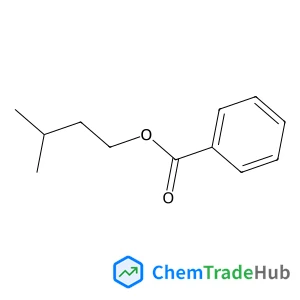
Isoamyl benzoate
CAS Number: 94-46-2
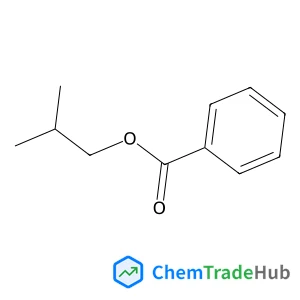
Isobutyl benzoate
CAS Number: 120-50-3
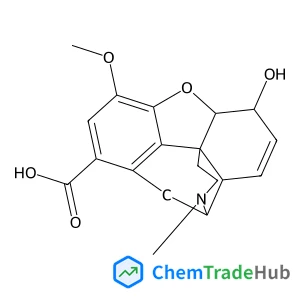
Cocinic Acid
CAS Number: 61788-47-4
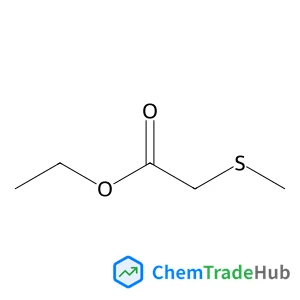
Ethyl (methylsulfanyl)acetate
CAS Number: 4455-13-4
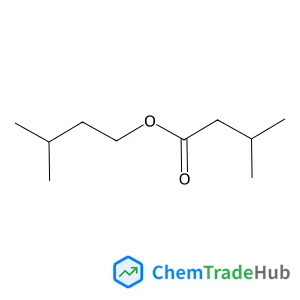
3-Methylbutyl 3-methylbutanoate
CAS Number: 659-70-1
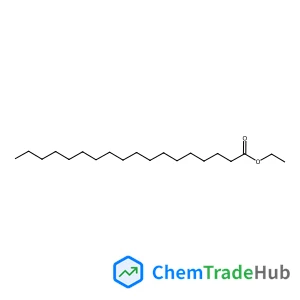
Ethyl stearate
CAS Number: 111-61-5
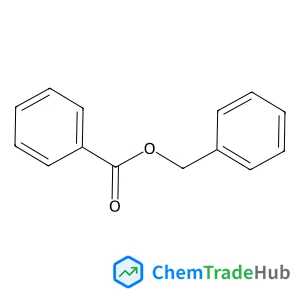
Benzyl Benzoate
CAS Number: 120-51-4
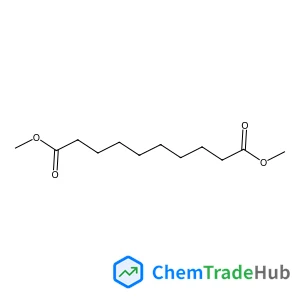
Dimethyl sebacate
CAS Number: 106-79-6
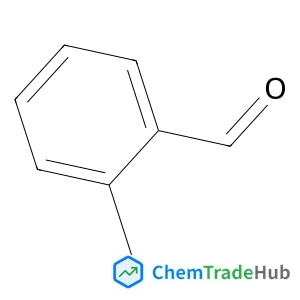
2-Methylbenzaldehyde
CAS Number: 529-20-4
Other Suppliers for 1,3-Bis(2-methylphenyl)thiourea







Basic Information
Molecular Formula
C15H16N2S
Molecular Weight
256.37 g/mol
Physical Properties
Melting Point
149.0 to 158.0 deg-C
Chemical Identifiers
SMILES
CC1=CC=CC=C1NC(=S)NC2=CC=CC=C2C
InChIKey
KWPNNZKRAQDVPZ-UHFFFAOYSA-N
Database References
MDL Number
MFCD00025922
Beilstein Registry Number
2125770
FAQ
1,3-Bis(2-methylphenyl)thiourea (CAS: 137-97-3) is subject to various regulatory guidelines such as the REACH regulations in the European Union, which require registration, evaluation, and authorization for substances above a certain tonnage threshold. It also falls under the Globally Harmonized System (GHS) of Classification and Labeling of Chemicals, which mandates specific hazard communication requirements including label elements and safety data sheets (SDS). In the United States, the Environmental Protection Agency (EPA) and the Food and Drug Administration (FDA) may have additional requirements for its safe handling and disposal.
Yes, there are alternatives to 1,3-Bis(2-methylphenyl)thiourea (CAS: 137-97-3) in synthesis. Common alternatives include other thioureas, such as phenylthiourea or benzothiourea, which offer similar functional groups and reactivity. Additionally, isomers like 1,3-bis(3-methylphenyl)thiourea can serve as substitutes. These alternatives may offer better reactivity or less toxicity, depending on the specific application.
The market and research trends for 1,3-Bis(2-methylphenyl)thiourea (CAS: 137-97-3) are largely driven by its use in agriculture as a fungicide. Research trends include the development of more environmentally friendly alternatives and the exploration of its potential in other applications, such as pharmaceuticals and coatings. The market trend is characterized by a focus on reducing chemical hazards and increasing the use of sustainable and biodegradable products.
Waste containing 1,3-Bis(2-methylphenyl)thiourea (CAS: 137-97-3) should be collected in appropriate containers and disposed of according to local regulations. Proper incineration or professional waste disposal services should be utilized to ensure safe removal. Environmental protection precautions include minimizing the release of the compound into the air or water, and adhering to the safety data sheet (SDS) guidelines for handling and disposal. Chemical neutralization or other treatments may be necessary to reduce the environmental impact before disposal.
Safety Notice
Please verify product specifications and safety data before use. Contact the supplier for detailed safety information.
Always follow proper handling procedures
Contact Information
Contact Person
Manager Luo
13628625909@163.com