



AD
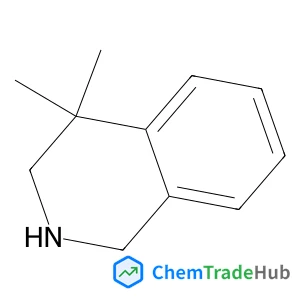
4,4-Dimethyl-1,2,3,4-tetrahydroisoquinoline(CAS: 78592-91-3)
CAS Number
Related Products

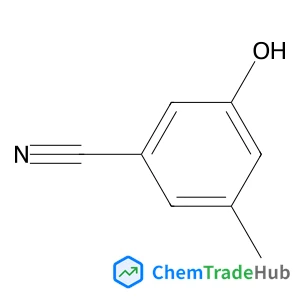
3-Hydroxy-5-methylbenzonitrile
CAS Number: 95658-81-4

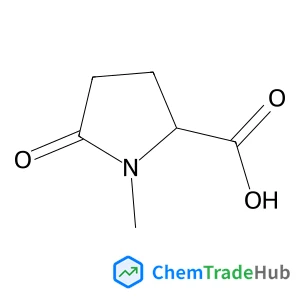
1-Methyl-5-oxoproline
CAS Number: 72442-37-6
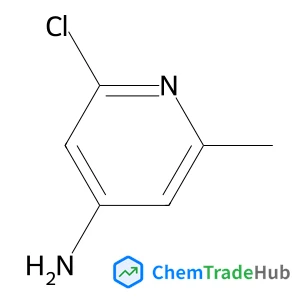
2-Chloro-6-methyl-4-pyridinamine
CAS Number: 79055-63-3

1H-Indol-3-ylboronic acid
CAS Number: 741253-05-4
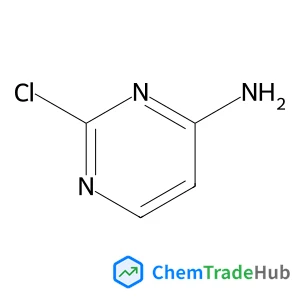
2-Chloro-4-pyrimidinamine
CAS Number: 7461-50-9
Other Suppliers for 4,4-Dimethyl-1,2,3,4-tetrahydroisoquinoline






Basic Information
Molecular Formula
C11H15N
Molecular Weight
161.25 g/mol
Chemical Identifiers
SMILES
CC1(CNCC2=CC=CC=C21)C
InChIKey
QOWZBQAJZICMKD-UHFFFAOYSA-N
Database References
MDL Number
MFCD08234528
FAQ
4,4-Dimethyl-1,2,3,4-tetrahydroisoquinoline (CAS: 78592-91-3) falls under various regulatory guidelines including GHS classification for hazardous chemicals, REACH regulations for European manufacturers and importers, and FDA/EPA requirements for safety and environmental protection. Manufacturers and handlers must ensure compliance with these regulations for safe handling and disposal.
Synthetic alternatives to 4,4-Dimethyl-1,2,3,4-tetrahydroisoquinoline include isoquinoline and its derivatives. Isomers such as 1,2,3,4-tetrahydroisoquinoline-4-carboxylic acid can also serve as substitutes. These alternatives offer similar functionality but with different structural properties, making them viable candidates in various chemical syntheses.
The market for 4,4-Dimethyl-1,2,3,4-tetrahydroisoquinoline (CAS: 78592-91-3) is growing due to its applications in pharmaceuticals, agrochemicals, and organic synthesis. Research trends focus on developing new synthetic methods, exploring its bioactivity, and understanding its mechanisms of action. The increasing demand in these sectors is driving market expansion.
Waste containing 4,4-Dimethyl-1,2,3,4-tetrahydroisoquinoline (CAS: 78592-91-3) should be collected in appropriate containers, labeled with the correct hazard symbols, and stored under suitable conditions to prevent contamination. It should be disposed of through professional waste management services, following local regulations. Incineration is a common disposal method, but environmental protections must be adhered to ensure minimal impact on the environment.
Safety Notice
Please verify product specifications and safety data before use. Contact the supplier for detailed safety information.
Always follow proper handling procedures
Contact Information
sales_hz@milestonepharmtech.com