AD
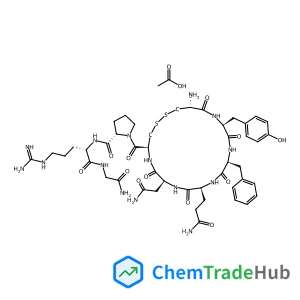
Vasopressin(CAS: 11000-17-2)
CAS Number
Related Products
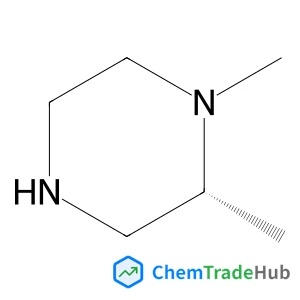
(2R)-1,2-Dimethylpiperazine
CAS Number: 623586-02-7
![(2S)-4-Hydroxy-7-(hydroxymethyl)-2-(2-hydroxy-2-propanyl)-2,3-dihydro-5H-furo[3,2-g]chromen-5-one](https://static.chemtradehub.com/structs/496/49624-66-0-7116.webp)
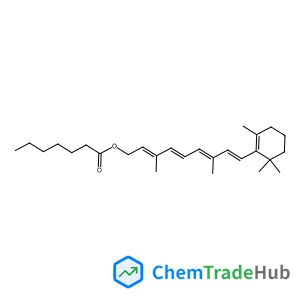
O~15~-Heptanoylretinol
CAS Number: 88641-44-5
![1-Methoxy-2-[1-(4-methoxyphenyl)propyl]benzene](https://static.chemtradehub.com/structs/334/33451-22-8-2ef2.webp)
CAS Number: 1350524-27-4
Other Suppliers for Vasopressin


Basic Information
Molecular Formula
C46H65N13O12S2
Molecular Weight
1056.22 g/mol
EINECS
234-236-2
Physical Properties
Boiling Point
°Cat760mmHg
Density
1.31 g/cm3
Flash Point
°C
Water Solubility
Soluble in water (Miscible).
Chemical Identifiers
SMILES
NC(CC[C@H]1C(N[C@H](C(N[C@@H](C(N2CCC[C@H]2C(N[C@H](C(NCC(N)=O)=O)CCCNC(N)=N)=O)=O)CSSC[C@H](N)C(N[C@H](C(N[C@H](C(N1)=O)CC3=CC=CC=C3)=O)CC4=CC=C(O)C=C4)=O)=O)CC(N)=O)=O)=O.CC(O)=O
InChIKey
ZHFGXNMADRRGQP-NPJAYZJHSA-N
Database References
MDL Number
MFCD03839092
FAQ
Vasopressin (CAS: 11000-17-2) is subject to regulatory oversight by multiple agencies. It is classified under the Globally Harmonized System (GHS) as a hazardous substance due to its vasoconstrictive properties. In the European Union, it falls under REACH (Registration, Evaluation, Authorization and Restriction of Chemicals) regulations. Additionally, the U.S. Food and Drug Administration (FDA) and Environmental Protection Agency (EPA) have specific guidelines for its manufacturing, distribution, and use in pharmaceuticals and medical devices.
Several alternatives to Vasopressin (CAS: 11000-17-2) exist in synthesis, including analogs such as desmopressin and synthetic peptides. These alternatives can be used in various applications depending on the specific requirements. Common alternative reagents include synthetic intermediates like hydroxybenzaldehyde and coupling agents like N,N'-diisopropylcarbodiimide (DIC) for peptide synthesis.
The market for Vasopressin (CAS: 11000-17-2) is driven by its critical role in treating conditions such as diabetes insipidus and hypotension. Research trends are focused on developing new formulations and analogs to improve efficacy and reduce side effects. Additionally, there is growing interest in using Vasopressin for its potential in treating disorders related to vasopressin deficiency, such as postpartum hemorrhage and traumatic brain injury.
Waste containing Vasopressin (CAS: 11000-17-2) should be collected in appropriate leak-proof containers and stored separately to prevent contamination. For disposal, it is recommended to consult local regulations, but generally, such waste should be incinerated or treated by a professional hazardous waste disposal service. Proper training and protective equipment should be used to ensure safety during handling and disposal. Environmental protection measures, including proper containment, are crucial to prevent any potential release into the environment.
Safety Notice
Please verify product specifications and safety data before use. Contact the supplier for detailed safety information.
Always follow proper handling procedures