



AD
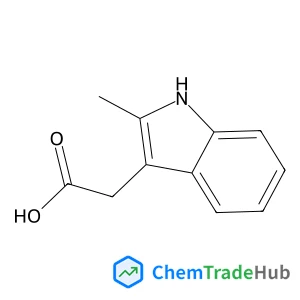
(2-Methyl-1H-indol-3-yl)acetic acid(CAS: 1912-43-2)
CAS Number
Related Products
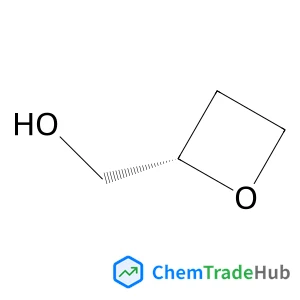
(2S)-2-Oxetanylmethanol
CAS Number: 2090778-00-8
![Bis(2-ethylhexyl) 4,4'-{[6-({4-[(2-methyl-2-propanyl)carbamoyl]phenyl}amino)-1,3,5-triazine-2,4-diyl]diimino}dibenzoate](https://static.chemtradehub.com/structs/154/154702-15-5-db8d.webp)
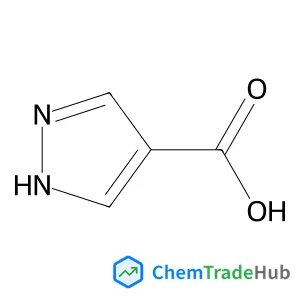
1H-Pyrazole-4-carboxylic acid
CAS Number: 37718-11-9
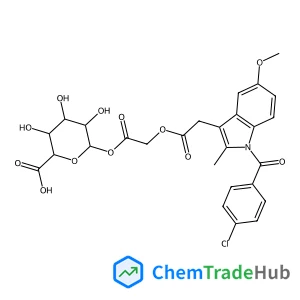
Acemetacin-Acyl-β-D-Glucuronide
CAS Number: 1260603-31-3

2,2,2-Trifluoroethanamine
CAS Number: 753-90-2
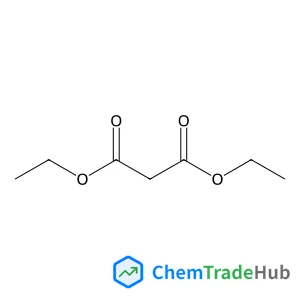
Diethyl malonate
CAS Number: 105-53-3
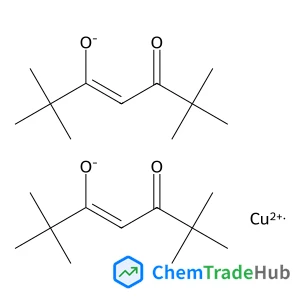
Di(dipivaloylmethanato)copper
CAS Number: 14040-05-2
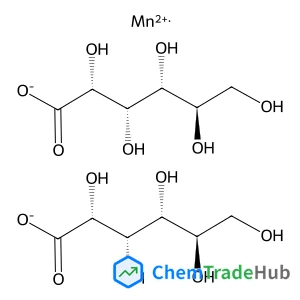
Manganese(2+) di(D-gluconate)
CAS Number: 6485-39-8
Other Suppliers for (2-Methyl-1H-indol-3-yl)acetic acid



Basic Information
Molecular Formula
C11H11NO2
Molecular Weight
189.21 g/mol
Physical Properties
Melting Point
205 °C (dec.) (lit.)
Boiling Point
418.2°Cat760mmHg
Density
1.299
Flash Point
206.7°C
Chemical Identifiers
SMILES
CC1=C(C2=CC=CC=C2N1)CC(=O)O
InChIKey
QJNNHJVSQUUHHE-UHFFFAOYSA-N
Database References
MDL Number
MFCD00075006
Beilstein Registry Number
152701
FAQ
The (2-Methyl-1H-indol-3-yl)acetic acid is subject to various regulatory guidelines, including the Globally Harmonized System of Classification and Labeling of Chemicals (GHS), which covers health hazards, environmental hazards, and safety precautions. In the European Union, it must comply with REACH regulations, which require registration of chemicals above one tonne per year. Additionally, the FDA and EPA have set specific standards for the use and disposal of this compound in pharmaceutical and agricultural applications.
There are alternatives to (2-Methyl-1H-indol-3-yl)acetic acid in synthesis, such as (1-Methyl-1H-indol-3-yl)acetic acid or indole-3-acetic acid. These compounds can serve similar biological functions and can be used as precursors in alternative synthetic routes. Common alternative reagents include other aromatic acids and derivatives which can be used to modify the structure for specific applications.
The market for (2-Methyl-1H-indol-3-yl)acetic acid shows steady growth, with increasing demand in pharmaceuticals and agriculture due to its role as a plant hormone. Research trends are focused on its potential in biotechnology and as a safer alternative to synthetic growth regulators. Recent studies also explore its biological activity and potential applications in sustainable agriculture and gene editing.
Waste containing (2-Methyl-1H-indol-3-yl)acetic acid should be managed according to local and international regulations. It is advisable to collect waste in appropriate, leak-proof containers and store them in a secure location away from ignition sources. For disposal, incineration at a regulated facility is a common method, while professional waste disposal services should be used to ensure compliance with environmental protection standards. Always consult local authorities for specific waste management guidelines.
Safety Notice
Please verify product specifications and safety data before use. Contact the supplier for detailed safety information.
Always follow proper handling procedures
Contact Information
Contact Person
Manager Cai
507167383@qq.com
Mobile
18662931390
Telephone
0513-66017679
Visit Website
https://www.rfhckj.com/Address
Yongli Road 17, Chongchuan District