



AD
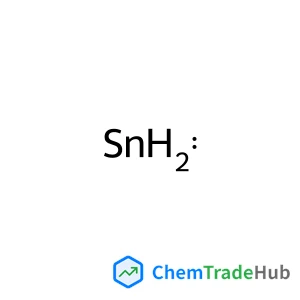
lambda~2~-Stannane(CAS: 7440-31-5)
CAS Number
Related Products
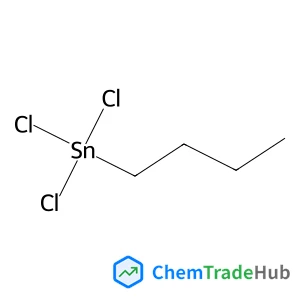
Butyl(trichloro)stannane
CAS Number: 1118-46-3
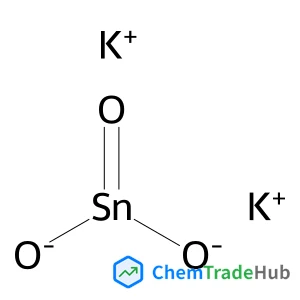
Dipotassium oxostannanediolate
CAS Number: 12142-33-5
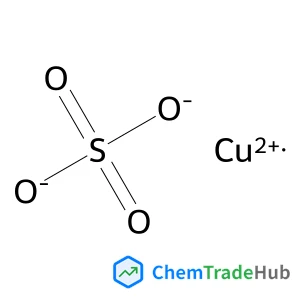
Copper(2+) sulfate
CAS Number: 7758-98-7
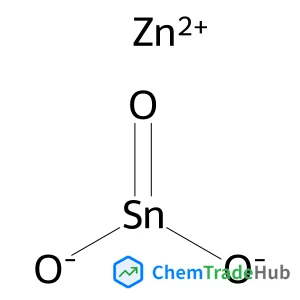
Zinc oxostannanediolate
CAS Number: 12036-37-2
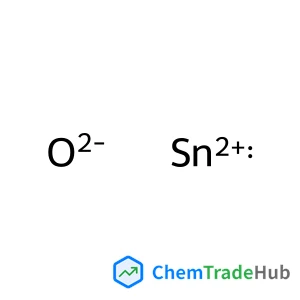
stannous oxygen(-2) anion
CAS Number: 21651-19-4
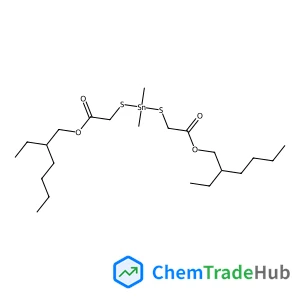
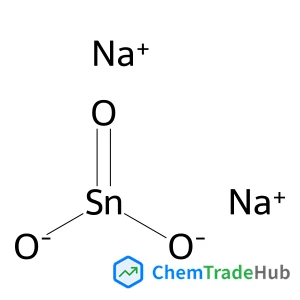
Disodium oxostannanediolate
CAS Number: 12058-66-1
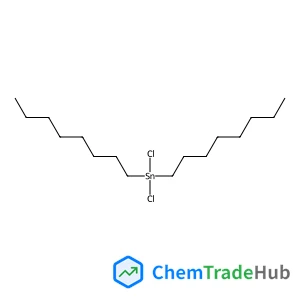
dioctyltin(2+);dichloride
CAS Number: 3542-36-7
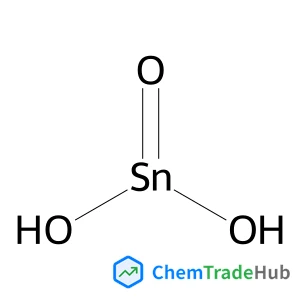
Oxostannanediol
CAS Number: 13472-47-4
Other Suppliers for lambda~2~-Stannane






Basic Information
Molecular Formula
H2Sn
Molecular Weight
120.73 g/mol
Physical Properties
Melting Point
231.9 °C (lit.)
Boiling Point
2270 °C(lit.)
Density
7.310 g/mL at 25 °C(lit.)
Flash Point
2270°C
Chemical Identifiers
SMILES
[SnH2]
InChIKey
OLGIDLDDXHSYFE-UHFFFAOYSA-N
Database References
MDL Number
MFCD00133862
FAQ
Lambda²-Stannane (CAS: 7440-31-5) is an organostannane compound characterized by its unique lambda² stereochemistry. It typically consists of tin atoms bonded to hydrocarbon groups, exhibiting properties such as low reactivity and stability under specific conditions. The compound is often used in specialized chemical applications, though its exact structure and uses may vary depending on the context.
Lambda²-Stannane (CAS: 7440-31-5) finds applications in pharmaceutical research, catalytic processes, and materials science due to its unique bonding properties. It is also utilized in industrial settings for its role in organic synthesis and as a precursor for tin-based compounds. However, its use is limited to controlled environments due to potential reactivity and safety concerns.
Lambda²-Stannane (CAS: 7440-31-5) requires careful handling due to its potential toxicity and reactivity. Safety standards emphasize avoiding inhalation, skin contact, and ingestion. Protective measures include using personal protective equipment (PPE) and working in well-ventilated areas. Always follow established safety protocols when handling this compound.
Lambda²-Stannane (CAS: 7440-31-5) should be stored in a cool, dry, and dark environment to maintain stability. It is typically kept in sealed containers made of inert materials like glass or stainless steel. Avoid exposure to moisture, air, and high temperatures to prevent degradation. Ensure proper labeling and storage in accordance with chemical safety guidelines.
Safety Notice
Please verify product specifications and safety data before use. Contact the supplier for detailed safety information.
Always follow proper handling procedures
Contact Information
Contact Person
Mr. Liu