
(2S)-2-(Fluoromethyl)piperidine hydrochloride (1:1)
CAS Number:
886216-73-5
Molecular Formula:
C6H13ClFN
Yixin Hong, Jianyu Han, Zhi Wang, Xiaofei Gu, Tianyi Huang, Yafeng Wu, Songqin Liu
Enzymatic CO2 conversion by photocatalysis that mimics natural photosystems offers an eco-friendly method for transforming CO2 into valuable chemicals or fuels at a low cost. However, the primary challenge in artificial enzymatic conversion arises from the high energy loss caused by low electron transfer efficiency and the instability of enzymes due to the incompatibility between enzyme catalysts and photocatalysts. Integrating natural enzymes, photoharvesting component and electron mediators to build a semiartificial photosynthetic cell surpasses the natural photosynthetic system in terms of simplicity, directed charge transfer, altered enzyme conformation and light utilization efficiency. Herein, a semiartificial cell is constructed by co-assembly of photoantennas and enzymes on stacked nanorods within microspheres. The microspheres, formed through L-cystine self-assembly with excellent biocompatibility, facilitates the alteration of FDH to a conformation with an open active site cleft, exposing more active sites. The electron mediator (1-ethylamino-4,4′-bipyridine) is connected to meso-tetra(4-carboxyphenyl) porphyrin via an amide bond to enhance electron transport efficiency. By leveraging these attributes, formate production reaches 1.24 mmol gcat−1, and the semiartificial cell exhibits long-term durability.
Matej Kanduč, Emanuel Schneck, Roland R. Netz
DOI: 10.1039/D3CP05084J
Li-Ting Cui, Wen-Feng Lin, Shi-Gang Sun
DOI: 10.1039/D3SE01275A
Alberto García-Fernández, Stefania Riva, Håkan Rensmo
DOI: 10.1039/D3CP05061K
Sergey Yu. Ketkov, Sheng-Yuan Tzeng, Elena A. Rychagova, Anton N. Lukoyanov, Wen-Bih Tzeng
DOI: 10.1039/D3CP05120J
Miwako Teranishi, Shin-ichi Naya, Hiroaki Tada
DOI: 10.1039/D3SE01513K
Zhifeng Lin, Xueding Jiang, Weicheng Xu, Fuhua Li, Xin Chen, Si Liu, Xihong Lu
DOI: 10.1039/D3CP04350A
Vikki Anand Varma, Simmie Jaglan, Mohd Yasir Khan, Sujin B. Babu
DOI: 10.1039/D3CP03681B
Waste containing N-Methoxy-N-methyl-1,3-thiazole-5-carboxamide (CAS: 898825-89-3...
N-(4-Biphenylyl)dibenzo[b,d]furan-4-amine should be stored in a tightly sealed c...
The market for 3-Acetamido-5-amino-2,4,6-triiodobenzoic acid (CAS: 1713-07-1) is...
Benzyl 2-O-acetyl-3,4,6-tri-O-benzyl-beta-D-galactopyranoside (CAS: 61820-03-9) ...
2-Ethylpiperazine dihydrochloride (CAS: 438050-52-3) is regulated under the Glob...
1,1'-[1,3-Phenylenebis(methylene)]bis(3-methyl-1H-pyrrole-2,5-dione) (CAS: 11946...
Several alternatives can be used in the synthesis of 5-Fluoro-2-(1-pyrrolidinyl)...
Proper personal protective equipment (PPE) must be worn when handling this compo...
When handling 6-Bromoimidazo[1,2-a]pyridin-8-amine, it is important to wear appr...
Alternatives to (2S,4R)-4-(4-Nitrobenzyl)pyrrolidine-2-carboxylic acid hydrochlo...

Journal of Materials Chemistry A, B & C cover high quality studies across all fields of materials chemistry. The journals focus on those theoretical or experimental studies that report new understanding, applications, properties and synthesis of materials. The journals have a strong history of publishing quality reports of interest to interdisciplinary communities and providing an efficient and rigorous service through peer review and publication. The journals are led by an international team of Editors-in-Chief and Associate Editors who are all active researchers in their fields. Journal of Materials Chemistry A, B & C are separated by the intended application of the material studied. Broadly, applications in energy and sustainability are of interest to Journal of Materials Chemistry A, applications in biology and medicine are of interest to Journal of Materials Chemistry B, and applications in optical, magnetic and electronic devices are of interest to Journal of Materials Chemistry C. More than one Journal of Materials Chemistry journal may be suitable for certain fields and researchers are encouraged to submit their paper to the journal that they feel best fits for their particular article. Example topic areas within the scope of Journal of Materials Chemistry A are listed below. This list is neither exhaustive nor exclusive. Artificial photosynthesis Batteries Carbon dioxide conversion Catalysis Fuel cells Gas capture/separation/storage Green/sustainable materials Hydrogen generation Hydrogen storage Photocatalysis Photovoltaics Self-cleaning materials Self-healing materials Sensors Supercapacitors Thermoelectrics Water splitting Water treatment

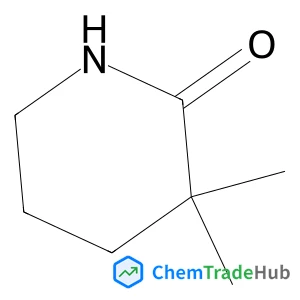
![2-(7,7-Difluorobicyclo[4.1.0]hept-1-yl)ethanamine structure](https://static.chemtradehub.com/structs/209/2098065-08-6-ff24.webp "2-(7,7-Difluorobicyclo[4.1.0]hept-1-yl)ethanamine structure")