2,3,6-Tri-O-acetyl-4-O-(2,3,4,6-tetra-O-acetyl-beta-D-galactopyranosyl)-alpha-D-glucopyranosyl bromide
CAS Number:
4753-07-5
Molecular Formula:
C26H35BrO17
Ekaterina V. Sukhanova, Zakhar I. Popov
The transition to neuromorphic devices is relevant to the development of materials capable of providing electronic switching in response to external stimuli. In the present work, the Hf2CO2/MoS2 heterostructure under biaxial strain, interlayer coupling, and an electric field was investigated by first-principles calculations based on density functional theory. We have shown that the influence of lateral deformation as well as the perpendicular external electric field is more significant compared to the influence of external vertical pressure on changes in the heterojunction type of heterostructure. The lateral stretching leads to a type-I and lateral compression results in a type-II heterojunction, and an external electric field also has an effect on heterojunction type. The combination of these impacts can tune the Hf2CO2/MoS2 heterostructure. The current work suggests a compelling way to make type-I and type-II heterostructure types consisting of Hf2CO2 and MoS2 monolayers for new nanodevices in fields like photonics, electronics, optoelectronic and neuromorphic applications.
Roya Momen, Alireza Azizi, Lingling Wang, Yang Ping, Tianlv Xu, Steven R. Kirk, Wenxuan Li, Sergei Manzhos, Samantha Jenkins
DOI: 10.1039/C7CP05124G
Yasuhisa Yamamura, Takahito Murakoshi, Mafumi Hishida, Kazuya Saito
DOI: 10.1039/C7CP04744D
Kurt Lejaeghere
DOI: 10.1039/C7CP00285H
Anand Mohan Verma, Nanda Kishore
DOI: 10.1039/C7CP05113A
Bo Bao, Seyed Hadi Zandavi, Huawei Li, Junjie Zhong, Arnav Jatukaran, Farshid Mostowfi, David Sinton
DOI: 10.1039/C7CP00550D
J. A. Puszkiel, M. V. Castro Riglos, F. Karimi, A. Santoru, C. Pistidda, T. Klassen, J. M. Bellosta von Colbe, M. Dornheim
DOI: 10.1039/C6CP08278E
Kengo Saito, Qiling Peng, Lin Qiao, Tatsuya Joutsuka, Tatsuya Ishiyama
DOI: 10.1039/C6CP08856B
Rafael Grande-Aztatzi, Jose M. Mercero, Jesus M. Ugalde
DOI: 10.1039/C7CP00092H
DOI: 10.1039/C7CP01594A
2-Methylbenzene-1,4-diamine dihydrochloride (CAS: 615-45-2) should be stored in ...
(1S,4S)-2,5-Diazabicyclo[2.2.1]heptane dihydrobromide is generally considered sa...
(6-Chloropyridazin-3-YL)methanamine finds applications in the pharmaceutical ind...
2-Fluoro-3-methylphenol is primarily used in the synthesis of pharmaceuticals, p...
When handling 3-Methoxy-4-nitrobenzonitrile, it is important to wear appropriate...
When handling 1,3-Oxazolo[4,5-b]pyridine-2(3H)-thione (CAS: 211949-57-4), it is ...
4-Ethynylbenzamide (CAS: 90347-86-7) falls under various regulatory guidelines i...
3-(2-Ethylphenyl)-2-thioxo-4-imidazolidinone is primarily used as an intermediat...
(2-Fluoro-6-methoxyphenyl)acetic acid, also known as 4-fluoro-3-methoxybenzoic a...
Market trends for 2-[4-(Hydroxymethyl)phenoxy]ethanol (CAS: 102196-18-9) indicat...

Physical Chemistry Chemical Physics (PCCP) is an international journal co-owned by 19 physical chemistry and physics societies from around the world. This journal publishes original, cutting-edge research in physical chemistry, chemical physics and biophysical chemistry. To be suitable for publication in PCCP, articles must include significant innovation and/or insight into physical chemistry; this is the most important criterion that reviewers and Editors will judge against when evaluating submissions. The journal has a broad scope and welcomes contributions spanning experiment, theory, computation and data science. Topical coverage includes spectroscopy, dynamics, kinetics, statistical mechanics, thermodynamics, electrochemistry, catalysis, surface science, quantum mechanics, quantum computing and machine learning. Interdisciplinary research areas such as polymers and soft matter, materials, nanoscience, energy, surfaces/interfaces, and biophysical chemistry are welcomed if they demonstrate significant innovation and/or insight into physical chemistry. Joined experimental/theoretical studies are particularly appreciated when complementary and based on up-to-date approaches.
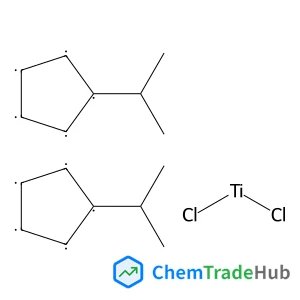
![trans-2-{[(Tert-butoxy)carbonyl]amino}cyclobutane-1-carboxylic acid structure](https://static.chemtradehub.com/structs/951/951173-25-4-27cd.webp "trans-2-{[(Tert-butoxy)carbonyl]amino}cyclobutane-1-carboxylic acid structure")