


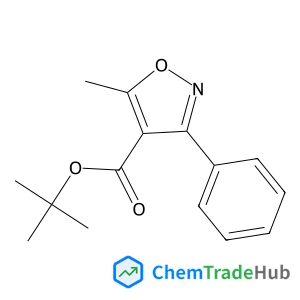
2-Methyl-2-propanyl 5-methyl-3-phenyl-1,2-oxazole-4-carboxylate
CAS Number:
211429-79-7
Molecular Formula:
C15H17NO3
Fangfang Li, Jianmin Zhang, Xiufeng Han, Yu Yan
A light element magnetic tunnel junction with perpendicular magnetic anisotropy (PMA) is crucial for the realization of high thermal stability and low critical switching current in next-generation high-density nonvolatile memory. Using first-principles calculations, we investigate the structure and magnetic anisotropy of a Co2FeAl/NiFe2O4 superlattice. It is found that the most energetically favorable configurations for Co2FeAl(001)/NiFe2O4(001) interfaces are when the interface O atoms in NiFe2O4 are on top of the interface metal atoms in Co2FeAl due to the bonding between interface O atoms in NiFe2O4 and interface metal atoms in Co2FeAl. Interestingly, a large PMA of up to 1.07 mJ m−2 can be obtained at the interface between Co-terminated Co2FeAl and NiO-terminated NiFe2O4 and the interface Co atoms play an important role in establishing the large PMA at the Co2FeAl/NiFe2O4 interface. The d-orbital-resolved magnetic anisotropy energy of interface and surface Co atoms reveals that compared to surface Co, the matrix element differences between dz2 and dyz as well as dx2−y2 and dxy orbitals of the interface Co provide large contributions to the PMA of interface Co, which originates mainly from the different electron occupations of dz2, dyz, dx2–y2 and dxy orbitals between the interface Co and surface Co due to the bonding between interface Co atoms in Co2FeAl and interface O atoms in NiFe2O4. Our results indicate that the Co2FeAl/NiFe2O4 heterostructures are promising candidates for achieving large interfacial PMA in light element heterostructures.

Pharmacological Reviews

Journal of Heterocyclic Chemistry

Organic Preparations and Procedures International

Israel Journal of Chemistry

Science Progress

Fibre Chemistry

Journal of Organometallic Chemistry

Proceedings of the National Academy of Sciences of the United States of America

Kinetics and Catalysis

Nature
When handling 4-Methyl-6-(trifluoromethyl)quinoline (CAS: 40716-16-3), safety go...
4-(3,5-Difluorophenyl)aniline is an aromatic organic compound with the CAS numbe...
5-{[4-(Trifluoromethyl)phenyl]sulfanyl}-1,2,3-thiadiazole-4-carboxylic acid can ...
The market for 4-Benzylaniline hydrochloride (CAS: 6317-57-3) is steadily growin...
[3-(Diethylsulfamoyl)phenyl]boronic acid is generally considered safe when handl...
3-Bromo-2,5-dimethoxyaniline is mainly used in the pharmaceutical and chemical i...
N-Methyl-1-(5-methyl-1H-indol-3-yl)methanamine (CAS: 915922-67-7) is subject to ...
This compound is primarily used in the pharmaceutical industry for the synthesis...
2-Methyl-2-propanyl [(1S,3R)-3-aminocyclohexyl]carbamate (CAS: 1298101-47-9) sho...
Ethyl 2-bromo-4,4,4-trifluorobutanoate (CAS: 367-33-9) is utilized in the pharma...

Physical Chemistry Chemical Physics (PCCP) is an international journal co-owned by 19 physical chemistry and physics societies from around the world. This journal publishes original, cutting-edge research in physical chemistry, chemical physics and biophysical chemistry. To be suitable for publication in PCCP, articles must include significant innovation and/or insight into physical chemistry; this is the most important criterion that reviewers and Editors will judge against when evaluating submissions. The journal has a broad scope and welcomes contributions spanning experiment, theory, computation and data science. Topical coverage includes spectroscopy, dynamics, kinetics, statistical mechanics, thermodynamics, electrochemistry, catalysis, surface science, quantum mechanics, quantum computing and machine learning. Interdisciplinary research areas such as polymers and soft matter, materials, nanoscience, energy, surfaces/interfaces, and biophysical chemistry are welcomed if they demonstrate significant innovation and/or insight into physical chemistry. Joined experimental/theoretical studies are particularly appreciated when complementary and based on up-to-date approaches.
![2,4-Dichloro-6-isopropyl-5H-pyrrolo[3,4-d]pyrimidin-7(6H)-one structure](https://static.chemtradehub.com/structs/107/1079649-94-7-ad4a.webp "2,4-Dichloro-6-isopropyl-5H-pyrrolo[3,4-d]pyrimidin-7(6H)-one structure")
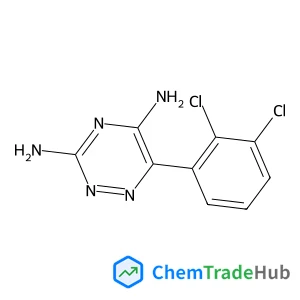
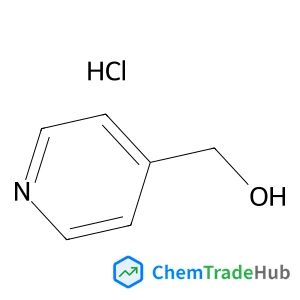
![Methyl 3-({2'-[(E)-(hydroxyhydrazono)methyl]-4-biphenylyl}methyl)-2-oxo-2,3-dihydro-1H-benzimidazole-4-carboxylate structure](https://static.chemtradehub.com/structs/149/1499167-72-4-034a.webp "Methyl 3-({2'-[(E)-(hydroxyhydrazono)methyl]-4-biphenylyl}methyl)-2-oxo-2,3-dihydro-1H-benzimidazole-4-carboxylate structure")






