![6-[2-(Trifluoromethoxy)phenyl]-2-pyridinecarboxylic acid structure](https://static.chemtradehub.com/structs/887/887983-48-4-f6ac.webp "6-[2-(Trifluoromethoxy)phenyl]-2-pyridinecarboxylic acid structure")
6-[2-(Trifluoromethoxy)phenyl]-2-pyridinecarboxylic acid
CAS Number:
887983-48-4
Molecular Formula:
C13H8F3NO3
Mohammad Mahdi Abolhasani, Minoo Naebe, Qipeng Guo
This paper proposes a new mechanism for ferroelectric polymorph formation of poly(vinylidene fluoride) (PVDF) nanocomposites. Utilizing time-resolved Fourier transform infrared spectroscopy (FTIR), the real-time investigation of the conformational changes of the PVDF chain segment during crystallization of neat PVDF and the corresponding nanocomposite was performed. Whilst PVDF–clay nanocomposites exhibited mainly the β crystal phase coexisting with the γ phase at low Tc (Tc < 155 °C), the coexistence of γ and β crystalline phases was found at a high Tc temperature range (Tc > 155 °C). Experimental results were compared with predictions of the Lauritzen and Hoffman (LH) model and discrepancies were observed between model predictions and experiments. We then recalled the Brochard-de Gennes (BD) model and proposed that different crystalline polymorph formation should be inferred as a transition in the reeling-in rate dependence of the friction coefficient on nanocomposites rather than as a change in the relative rates of secondary nucleation and substrate completion. Combining LH and BD models we proposed a new mechanism to answer the contradictory questions associated with nanocomposite polymorphism. The coexistence of different polymorphs in nanocomposites was proposed to be associated with the coexistence of fast and slow moving chains, which were recognized as the free and adsorbed chains by nanofillers.
Martin Losada, Yunjie Xu
DOI: 10.1039/B703368K
Fengqi Guo, Katsu Ogawa, Young-Gi Kim, Evgeny O. Danilov, Felix N. Castellano, John R. Reynolds, Kirk S. Schanze
DOI: 10.1039/B700379J
Michael Schroeder
DOI: 10.1039/B405436A
T. J. Dillon, D. Hölscher, V. Sivakumaran, A. Horowitz, J. N. Crowley
DOI: 10.1039/B413961E
Nadia Balucani, Giovanni Capozza, Laura Cartechini, Astrid Bergeat, Rolf Bobbenkamp, Piergiorgio Casavecchia, F. Javier Aoiz, Luis Bañares, Pascal Honvault, Béatrice Bussery-Honvault, Jean-Michel Launay
DOI: 10.1039/B409327E
Vincenzo Aquilanti, Massimiliano Bartolomei, Fernando Pirani, David Cappelletti, Franco Vecchiocattivi, Toshio Kasai
DOI: 10.1039/B415212C
DOI: 10.1039/B315707E
Pål Dahle, Trygve Helgaker, Dan Jonsson, Peter R. Taylor
DOI: 10.1039/B616488A
Bård Buttingsrud, Bjørn K. Alsberg, Per-Olof Åstrand
DOI: 10.1039/B617470A
When handling 2-Chloro-1,2-bis(4-methylphenyl)ethanone (CAS: 71193-32-3), it is ...
4-Ethoxy-3-(5-methyl-4-oxo-7-propyl-1,4-dihydroimidazo[5,1-f][1,2,4]triazin-2-yl...
Methyl 3-Oxo-4-Androsten-17-Carboxylate (CAS: 2681-55-2) should be stored in a c...
(R)-3-Amino-4-(3-hexylphenylamino)-4-oxobutylphosphonic acid is primarily used i...
2-Methyl-2-propanyl 3-amino-3-carbamoyl-1-azetidinecarboxylate (CAS: 1254120-14-...
There are alternative reagents that can be used in synthesis instead of (E)-4-(t...
[2-(3-Chlorophenyl)-1,3-thiazol-4-yl]methanol (CAS: 121202-20-8) is a crystallin...
The market and research trends for Methyl (2S)-[(4S)-2,2-dimethyl-1,3-dioxolan-4...
The market for 1-Bromo-2-isocyanatoethane (CAS: 42865-19-0) is driven by its use...
4-Nitro-D-phenylalanine hydrochloride (CAS: 147065-06-3) is primarily used in re...

Physical Chemistry Chemical Physics (PCCP) is an international journal co-owned by 19 physical chemistry and physics societies from around the world. This journal publishes original, cutting-edge research in physical chemistry, chemical physics and biophysical chemistry. To be suitable for publication in PCCP, articles must include significant innovation and/or insight into physical chemistry; this is the most important criterion that reviewers and Editors will judge against when evaluating submissions. The journal has a broad scope and welcomes contributions spanning experiment, theory, computation and data science. Topical coverage includes spectroscopy, dynamics, kinetics, statistical mechanics, thermodynamics, electrochemistry, catalysis, surface science, quantum mechanics, quantum computing and machine learning. Interdisciplinary research areas such as polymers and soft matter, materials, nanoscience, energy, surfaces/interfaces, and biophysical chemistry are welcomed if they demonstrate significant innovation and/or insight into physical chemistry. Joined experimental/theoretical studies are particularly appreciated when complementary and based on up-to-date approaches.
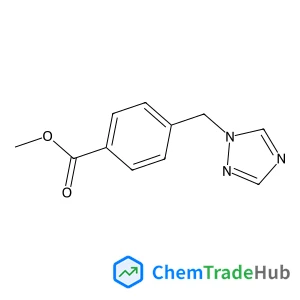
![Methyl 5-iodo-3-({[(2-methyl-2-propanyl)oxy]carbonyl}amino)-2-thiophenecarboxylate structure](https://static.chemtradehub.com/structs/100/1007171-35-8-177e.webp "Methyl 5-iodo-3-({[(2-methyl-2-propanyl)oxy]carbonyl}amino)-2-thiophenecarboxylate structure")