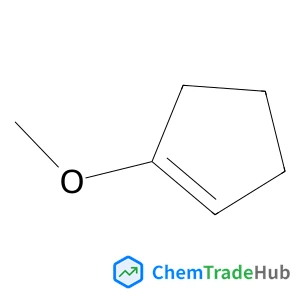
2,2-dideuterio-2-(3,4,5,6-tetradeuterio-2-pyridyl)acetic acid;hydrochloride
CAS Number:
1329799-67-8
Molecular Formula:
C7H2ClD6NO2
Fangwei Qi, Huixing Li, Xiuwen Gao, Yifeng Wang, Hongyi Qian, Wei Li, Shuling Liu, Huarui Zhou, Shuping Peng
Although barium titanate (BaTiO3) presented tremendous potential in achieving self-powered stimulation to accelerate bone repair, pervasive oxygen vacancies restricted the full play of its piezoelectric performance. Herein, BaTiO3-GO nanoparticles were synthesized by the in situ growth of BaTiO3 on graphene oxide (GO), and subsequently introduced into poly-L-lactic acid (PLLA) powders to prepare PLLA/BaTiO3-GO scaffolds by laser additive manufacturing. During the synthesis process, CO and C–OH in GO would respectively undergo cleavage and dehydrogenation at high temperature to form negatively charged oxygen groups, which were expected to occupy positively charged oxygen vacancies in BaTiO3 and thereby inhibit the formation of oxygen vacancies. Moreover, GO could be partially reduced to reduced graphene oxide, which could act as a conductive phase to facilitate polarization charge transfer, thus further improving the piezoelectric performance. The results showed that the oxygen peak at the specific electron binding energy in O 1s declined from 54.4% to 14.6% and the Ti3+ peak that was positively correlated with oxygen vacancies apparently weakened for BaTiO3-GO, illustrating that the introduced GO significantly decreased the oxygen vacancy. As a consequence, the piezoelectric current of PLLA/BaTiO3-GO increased from 80 to 147.3 nA compared with that of PLLA/BaTiO3. The enhanced piezoelectric current effectively accelerated cell differentiation by upregulating alkaline phosphatase expression, calcium salt deposition and calcium influx. This work provides a novel insight for the design of self-powered stimulation scaffolds for bone regeneration.
Hikaru Sotome, Daichi Kitagawa, Tatsumoto Nakahama, Syoji Ito, Seiya Kobatake, Masahiro Irie, Hiroshi Miyasaka
DOI: 10.1039/C8CP07393G
Rouhollah Safinejad, Nargess Mehdipour, Hossein Eslami
DOI: 10.1039/C8CP02393J
Yong Xia, Sifeng Chen, Peifeng Su, Zhijun Yang, Carl O. Trindle, J. L. Knee
DOI: 10.1039/C8CP05979A
Tomofumi Nakayama
DOI: 10.1039/C7CP08280K
Tim K. Esser, Harald Knorke, Flavio Siro-Brigiano, Daria Ruth Galimberti, Knut R. Asmis, Marie-Pierre Gaigeot, James M. Lisy
DOI: 10.1039/C8CP06020G
C. L. Prajapat, M. Gupta, Harsh Bhatt, Yogesh Kumar, V. Karki
DOI: 10.1039/C8CP02909A
Joanna E. Rode, Marcin Górecki, Stanisław Witkowski, Jadwiga Frelek
DOI: 10.1039/C8CP02491J
Miquel Blancafort-Jorquera, Arnau Vilà, Miguel González
DOI: 10.1039/C8CP05140B
William C. Bailey
DOI: 10.1039/C8CP01539B
4-Nitrophenyl phosphate disodium salt hexahydrate is primarily used as a substra...
2-(Trifluoromethyl)-1,3-oxazole-4-carboxylic Acid (CAS: 1060816-01-4) is widely ...
2-Fluoro-4-biphenylcarboxylic acid should be stored in a cool, dry place at room...
Prednisolone-21-Carboxylic Acid is primarily used in the pharmaceutical industry...
4-(Hydrazinomethyl)-1,2,3-benzenetriol (CAS: 3614-72-0) should be stored in a co...
4-Amino-1-methyl-1H-pyrazole-5-carboxylic acid hydrochloride (CAS: 92534-70-8) i...
Dehydropachymic acid (CAS: 77012-31-8) is regulated by various agencies. It fall...
The market and research trends for 6-[(2,2-Dimethylpropanoyl)amino]nicotinic aci...
1,10-Phenanthroline-2,9-dicarbaldehyde should be stored in a cool, dry place awa...
5-Carbamoyl-11-oxo-10,11-dihydro-5H-dibenzo[b,f]azepin-10-yl acetate can be synt...
Biomaterials Science is an international high impact journal exploring the science of biomaterials and their translation towards clinical use. Its scope encompasses new concepts in biomaterials design, studies into the interaction of biomaterials with the body, and the use of materials to answer fundamental biological questions. Papers do not necessarily need to report a new biomaterial but should provide novel insight into the biological applications of the biomaterial. Articles that primarily focus on demonstrating novel materials chemistry and bring a molecular picture to bear on a given material’s suitability as a biomaterial are more suited to our companion journal, Journal of Materials Chemistry B. Biomaterials Science publishes primary research and review-type articles in the following areas: molecular design of biomaterials, including translation of emerging chemistries to biomaterials science of cells and materials at the nanoscale and microscale materials as model systems for stem cell and human biology materials for tissue engineering and regenerative medicine (Nano)materials and (nano)systems for therapeutic delivery interactions at the biointerface biologically inspired and biomimetic materials, including bio-inspired self-assembly systems and cell-inspired synthetic tools next-generation biomaterials tools and methods