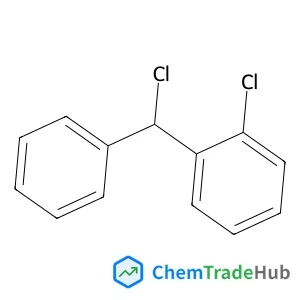
phosphoryl}methyl 4-methylbenzenesulfonate structure](https://static.chemtradehub.com/structs/864/864068-45-1-ba7c.webp "{[3-(Hexadecyloxy)propoxy](hydroxy)phosphoryl}methyl 4-methylbenzenesulfonate structure")
{[3-(Hexadecyloxy)propoxy](hydroxy)phosphoryl}methyl 4-methylbenzenesulfonate
CAS Number:
864068-45-1
Molecular Formula:
C27H49O7PS
Jialin Wang, Shenghua Lv, Jingjing Zuo, Shan Liang, Juhui Yang, Leipeng Liu, Dequan Wei
Fe3+ is essential for humans, and its deficiency or excess can be harmful to human health; thus, it is crucial to detect Fe3+. Herein, a novel 1,8-naphthylimide rhodamine-based fluorescent probe (NA-RhBEA) was prepared from rhodamine B, anhydrous ethylenediamine, and 1,8-naphthoic anhydride. This fluorescent probe complexes Fe3+ with N and O on the carboxyl groups of its spironolactam structure and part of the 1,8-naphthalenedicarboxylic anhydride structure, which results in spironolactam ring-opening and fluorescence. NA-RhBEA has high selectivity for Fe3+ in ethanol/buffer solution (4 : 1, v/v), and fluorescence is detected at an excitation wavelength λEX = 500 nm, an absorption peak appears at 585 nm, and a significant color change appears. The effect of the fluorescence intensity of Fe3+ under a series of different concentration conditions was investigated, and it was concluded that the fluorescence intensity increased with increasing Fe3+ concentration in the range of 0–500 μmol, and its detection limit was 0.84 μmol L−1. In addition, we explored the detection ability of NA-RhBEA in solutions with different pH values, mixed metal ions, and different solvents, and the results showed that the fluorescent sensor also has good anti-interference properties and some practical applicability.
DOI: 10.1039/C8CP05963B
Zhiliang Wang, Miaoqiang Lyu, Peng Chen, Songcan Wang, Lianzhou Wang
DOI: 10.1039/C8CP04021D
Nam Kim, Emily Sahadeo, Chanyuan Liu, Olivia Rose
DOI: 10.1039/C8CP04706E
Sankar Ghorai, Pulak Naskar, Pinaki Chaudhury
DOI: 10.1039/C8CP03779E
Dominik Legut, Timothy C. Germann, Shiyu Du, Joseph S. Francisco
DOI: 10.1039/C8CP06458J
Gary S. Harlow, Iain M. Aldous, Yvonne Gründer, Laurence J. Hardwick, Christopher A. Lucas
DOI: 10.1039/C9CP00499H
Tomofumi Nakayama
DOI: 10.1039/C7CP08280K
4-Nitrophenyl phosphate disodium salt hexahydrate is primarily used as a substra...
2-(Trifluoromethyl)-1,3-oxazole-4-carboxylic Acid (CAS: 1060816-01-4) is widely ...
2-Fluoro-4-biphenylcarboxylic acid should be stored in a cool, dry place at room...
Prednisolone-21-Carboxylic Acid is primarily used in the pharmaceutical industry...
4-(Hydrazinomethyl)-1,2,3-benzenetriol (CAS: 3614-72-0) should be stored in a co...
4-Amino-1-methyl-1H-pyrazole-5-carboxylic acid hydrochloride (CAS: 92534-70-8) i...
Dehydropachymic acid (CAS: 77012-31-8) is regulated by various agencies. It fall...
The market and research trends for 6-[(2,2-Dimethylpropanoyl)amino]nicotinic aci...
1,10-Phenanthroline-2,9-dicarbaldehyde should be stored in a cool, dry place awa...
5-Carbamoyl-11-oxo-10,11-dihydro-5H-dibenzo[b,f]azepin-10-yl acetate can be synt...
Analytical Methods welcomes early applications of new analytical and bioanalytical methods and technology demonstrating the potential for societal impact. We require that methods and technology reported in the journal are sufficiently innovative, robust, accurate, and compared to other available methods for the intended application. Developments with interdisciplinary approaches are particularly welcome. Systems should be proven with suitably complex and analytically challenging samples. We encourage developments within, but not limited to, the following technologies and applications: global health, point-of-care and molecular diagnostics biosensors and bioengineering drug development and pharmaceutical analysis applied microfluidics and nanotechnology omics studies, such as proteomics, metabolomics or glycomics environmental, agricultural and food science neuroscience biochemical and clinical analysis forensic analysis industrial process and method development