












![(2E)-3-(3-Chlorophenyl)-N-{2-[4-(methylsulfonyl)-1-piperazinyl]-2-oxoethyl}acrylamide structure](https://static.chemtradehub.com/structs/250/2505001-54-5-c1e9.webp "(2E)-3-(3-Chlorophenyl)-N-{2-[4-(methylsulfonyl)-1-piperazinyl]-2-oxoethyl}acrylamide structure")
(2E)-3-(3-Chlorophenyl)-N-{2-[4-(methylsulfonyl)-1-piperazinyl]-2-oxoethyl}acrylamide
CAS Number:
2505001-54-5
Molecular Formula:
C16H20ClN3O4S
Xiaoshan Li, Xiaojun Tang, Bin Wang, Youshui Lu, Houqing Chen
Baseline drift is an important issue in spectral analysis (e.g., infrared, Raman, and laser-induced spectroscopy). Most common methods for baseline correction perform poorly in high noise, complex baselines, and overlapping peaks. To solve this problem, we proposed an adaptive extended Gaussian peak derivative reweighted penalised least squares (agdPLS) method for removing baseline drift from spectra. The method added extended Gaussian peaks to spectra, added derivative terms for spectral and baseline differences during iterations, and adaptively adjusted penalty coefficients λ. Experiments with simulated and measured spectra for methane and ethane were carried out to compare the performance of the different methods. agdPLS performed better than the other methods, with more accurate baseline estimation in low- and high-noise situations. Especially when the spectrum contained high noise, complex baselines and overlapping peaks, the agdPLS method performed significantly better than other methods. Moreover, agdPLS was computationally efficient. Results of actual spectral experiments showed that the proposed agdPLS method could be effective for baseline correction of spectra which, in turn, improved qualitative and quantitative spectral performances.
A. I. Lozano, J. C. Oller, D. B. Jones, M. T. do N. Varella, M. H. F. Bettega, F. Ferreira da Silva, P. Limão-Vieira, M. A. P. Lima, R. D. White, M. J. Brunger, F. Blanco, A. Muñoz, G. García
DOI: 10.1039/C8CP03297A
Avia Leader, Daniel Mandler, Meital Reches
DOI: 10.1039/C8CP05775C
Svemir Rudić, Carole A. Morrison
DOI: 10.1039/C8CP06161K
Alexander I. Kuklin, Martina Požar, Anthony Baptista, Aurélien Perera
DOI: 10.1039/C9CP01137D
Cédric Grauffel
DOI: 10.1039/C8CP04776F
Gary S. Harlow, Iain M. Aldous, Yvonne Gründer, Laurence J. Hardwick, Christopher A. Lucas
DOI: 10.1039/C9CP00499H
Carolina Olea Ulloa, Miguel Ponce-Vargas, Alvaro Muñoz-Castro
DOI: 10.1039/C8CP04936J
Dominik Legut, Timothy C. Germann, Shiyu Du, Joseph S. Francisco
DOI: 10.1039/C8CP06458J
Jin-You Lu, Chia-Yun Lai, Ibraheem Almansoori
DOI: 10.1039/C8CP03633K
4-Nitrophenyl phosphate disodium salt hexahydrate is primarily used as a substra...
2-(Trifluoromethyl)-1,3-oxazole-4-carboxylic Acid (CAS: 1060816-01-4) is widely ...
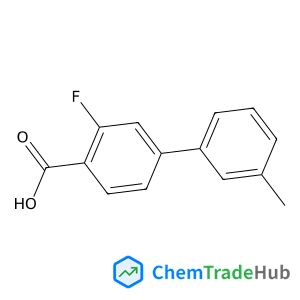
2-Fluoro-4-biphenylcarboxylic acid should be stored in a cool, dry place at room...
Prednisolone-21-Carboxylic Acid is primarily used in the pharmaceutical industry...
4-(Hydrazinomethyl)-1,2,3-benzenetriol (CAS: 3614-72-0) should be stored in a co...
4-Amino-1-methyl-1H-pyrazole-5-carboxylic acid hydrochloride (CAS: 92534-70-8) i...
Dehydropachymic acid (CAS: 77012-31-8) is regulated by various agencies. It fall...
The market and research trends for 6-[(2,2-Dimethylpropanoyl)amino]nicotinic aci...
1,10-Phenanthroline-2,9-dicarbaldehyde should be stored in a cool, dry place awa...
5-Carbamoyl-11-oxo-10,11-dihydro-5H-dibenzo[b,f]azepin-10-yl acetate can be synt...

Analytical Methods welcomes early applications of new analytical and bioanalytical methods and technology demonstrating the potential for societal impact. We require that methods and technology reported in the journal are sufficiently innovative, robust, accurate, and compared to other available methods for the intended application. Developments with interdisciplinary approaches are particularly welcome. Systems should be proven with suitably complex and analytically challenging samples. We encourage developments within, but not limited to, the following technologies and applications: global health, point-of-care and molecular diagnostics biosensors and bioengineering drug development and pharmaceutical analysis applied microfluidics and nanotechnology omics studies, such as proteomics, metabolomics or glycomics environmental, agricultural and food science neuroscience biochemical and clinical analysis forensic analysis industrial process and method development
phosphoryl}methyl 4-methylbenzenesulfonate structure](https://static.chemtradehub.com/structs/864/864068-45-1-ba7c.webp "{[3-(Hexadecyloxy)propoxy](hydroxy)phosphoryl}methyl 4-methylbenzenesulfonate structure")






