phosphoryl}methyl 4-methylbenzenesulfonate structure](https://static.chemtradehub.com/structs/864/864068-45-1-ba7c.webp "{[3-(Hexadecyloxy)propoxy](hydroxy)phosphoryl}methyl 4-methylbenzenesulfonate structure")
{[3-(Hexadecyloxy)propoxy](hydroxy)phosphoryl}methyl 4-methylbenzenesulfonate
CAS Number:
864068-45-1
Molecular Formula:
C27H49O7PS
Jorge L. Galvez Vallejo, Juan Duchimaza Heredia, Mark S. Gordon
The quasi-atomic orbital (QUAO) bonding analysis introduced by Ruedenberg and co-workers is used to develop an understanding of the hydrogen bonds in small water clusters, from the dimer through the hexamer (bag, boat, book, cyclic, prism and cage conformers). Using kinetic bond orders as a metric, it is demonstrated that as the number of waters in simple cyclic clusters increases, the hydrogen bonds strengthen, from the dimer through the cyclic hexamer. However, for the more complex hexamer isomers, the strength of the hydrogen bonds varies, depending on whether the cluster contains double acceptors and/or double donors. The QUAO analysis also reveals the three-center bonding nature of hydrogen bonds in water clusters.
J. A. Gibbard, E. Castracane, A. I. Krylov, R. E. Continetti
DOI: 10.1039/D1CP02972J
Jorge L. Galvez Vallejo, Juan Duchimaza Heredia, Mark S. Gordon
DOI: 10.1039/D1CP02301B
Dominik Legut
DOI: 10.1039/D1CP02754A
Anna Maria Ferrari, Khaled E. El-Kelany, Francesco Silvio Gentile, Maddalena D’Amore, Roberto Dovesi
DOI: 10.1039/D1CP02363B
Paramita Ghosh, Nidhi Gupta, Monika Dhankhar, Madhav Ranganathan
DOI: 10.1039/D1CP00069A
Wenjun Kong, Jun Xia
DOI: 10.1039/D1CP01019K
Arjun Kafle, P. B. Armentrout
DOI: 10.1039/D1CP04263G
Helena Osthues, Christian Schwermann, Johann A. Preuß, Thorsten Deilmann, Rudolf Bratschitsch, Michael Rohlfing, Nikos L. Doltsinis
DOI: 10.1039/D1CP02313F
4-Nitrophenyl phosphate disodium salt hexahydrate is primarily used as a substra...
2-(Trifluoromethyl)-1,3-oxazole-4-carboxylic Acid (CAS: 1060816-01-4) is widely ...
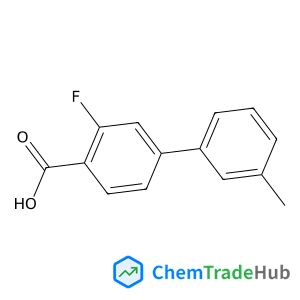
2-Fluoro-4-biphenylcarboxylic acid should be stored in a cool, dry place at room...
Prednisolone-21-Carboxylic Acid is primarily used in the pharmaceutical industry...
4-(Hydrazinomethyl)-1,2,3-benzenetriol (CAS: 3614-72-0) should be stored in a co...
4-Amino-1-methyl-1H-pyrazole-5-carboxylic acid hydrochloride (CAS: 92534-70-8) i...
Dehydropachymic acid (CAS: 77012-31-8) is regulated by various agencies. It fall...
The market and research trends for 6-[(2,2-Dimethylpropanoyl)amino]nicotinic aci...
1,10-Phenanthroline-2,9-dicarbaldehyde should be stored in a cool, dry place awa...
5-Carbamoyl-11-oxo-10,11-dihydro-5H-dibenzo[b,f]azepin-10-yl acetate can be synt...

Physical Chemistry Chemical Physics (PCCP) is an international journal co-owned by 19 physical chemistry and physics societies from around the world. This journal publishes original, cutting-edge research in physical chemistry, chemical physics and biophysical chemistry. To be suitable for publication in PCCP, articles must include significant innovation and/or insight into physical chemistry; this is the most important criterion that reviewers and Editors will judge against when evaluating submissions. The journal has a broad scope and welcomes contributions spanning experiment, theory, computation and data science. Topical coverage includes spectroscopy, dynamics, kinetics, statistical mechanics, thermodynamics, electrochemistry, catalysis, surface science, quantum mechanics, quantum computing and machine learning. Interdisciplinary research areas such as polymers and soft matter, materials, nanoscience, energy, surfaces/interfaces, and biophysical chemistry are welcomed if they demonstrate significant innovation and/or insight into physical chemistry. Joined experimental/theoretical studies are particularly appreciated when complementary and based on up-to-date approaches.