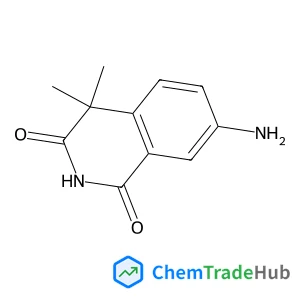
1,3(2H,4H)-Isoquinolinedione, 7-amino-4,4-dimethyl-
CAS Number:
14576-22-8
Molecular Formula:
C11H12N2O2
You Yu, Yanhong Shen, Jiangfeng Song
An exhaustive analysis based on density functional theory (DFT) simulations of the effect of Hf doping on helium behavior has been performed in ZrCo. The He impurities have been placed both at interstitial positions and substitutional positions from the first nearest neighbor (1nn) of the Hf atom to the sixth nearest neighbor (6nn). In such areas, the electronic charge density is different, and therefore the formation and diffusion of He atoms vary in the surrounding of the Hf atom. The results show that Hf doping reduces the volume of the interstitial sites nearby, resulting in the weakening ability of the interstitial sites to accommodate He atoms. According to the results of formation energy, whether it is the substitutional He or the interstitial He atom, the formation is not only related to the distance of Hf, but more importantly, it is closely related to the unit cell where the He atom is located. In addition, Hf atoms promote the capture of He atoms by vacancies nearby and the migration of He atoms between the tetrahedral positions. The result also validates the well-known knowledge of vacancies as efficient sinks for He atoms in ZrCo. From the lower and lower migration energetic barriers along 3nn → 2nn → 1nn → 1nn pathways, we can infer an increasing mobility of the He atom from 3nn to 1nn. This situation could favor their accumulation surrounding an Hf atom, improving the ability of helium retention. These findings provide really indisputable evidence that the Hf dopant makes a difference in the behavior of He atoms in bulk ZrCo. Therefore, a ZrCo system with Hf doping can be considered as a good candidate for tritium storage material in a future nuclear fusion reactor.

Environmental Toxicology and Pharmacology

Lab on a Chip

Advanced Engineering Materials

Angewandte Chemie International Edition

Coloration Technology

Nature Reviews Drug Discovery

Current Pharmaceutical Biotechnology

Journal of Enzyme inhibition and Medicinal Chemistry

Faraday Discussions

Mini-Reviews in Medicinal Chemistry
Sharmin Akter, Jorge A. Vargas, Kamal Sharkas, Juan E. Peralta, Koblar A. Jackson
DOI: 10.1039/D0CP06512A
Chao He, Shane J. Goettl, Zhenghai Yang, Srinivas Doddipatla, Ralf I. Kaiser, Mateus Xavier Silva, Breno R. L. Galvão
DOI: 10.1039/D1CP02812J
Arjun Kafle, P. B. Armentrout
DOI: 10.1039/D1CP04263G
Marta I. Hernández, José Campos-Martínez, Yury V. Suleimanov
DOI: 10.1039/D1CP02121D
Shaohua Lu, Yiyuan Cai, Xiaojun Hu
DOI: 10.1039/D1CP02286E
Dinesh Bista, Turbasu Sengupta, Shiv N. Khanna
DOI: 10.1039/D1CP02420E
Neda Rahmani, Mohammad Ebrahim Ghazi, Morteza Izadifard, Alireza Shabani, Jost Adam
DOI: 10.1039/D1CP02479E
Paramita Ghosh, Nidhi Gupta, Monika Dhankhar, Madhav Ranganathan
DOI: 10.1039/D1CP00069A
DOI: 10.1039/D1CP03146E
4-Nitrophenyl phosphate disodium salt hexahydrate is primarily used as a substra...
2-(Trifluoromethyl)-1,3-oxazole-4-carboxylic Acid (CAS: 1060816-01-4) is widely ...
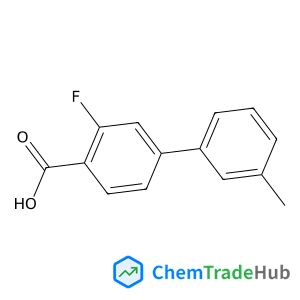
2-Fluoro-4-biphenylcarboxylic acid should be stored in a cool, dry place at room...
Prednisolone-21-Carboxylic Acid is primarily used in the pharmaceutical industry...
4-(Hydrazinomethyl)-1,2,3-benzenetriol (CAS: 3614-72-0) should be stored in a co...
4-Amino-1-methyl-1H-pyrazole-5-carboxylic acid hydrochloride (CAS: 92534-70-8) i...
Dehydropachymic acid (CAS: 77012-31-8) is regulated by various agencies. It fall...
The market and research trends for 6-[(2,2-Dimethylpropanoyl)amino]nicotinic aci...
1,10-Phenanthroline-2,9-dicarbaldehyde should be stored in a cool, dry place awa...
5-Carbamoyl-11-oxo-10,11-dihydro-5H-dibenzo[b,f]azepin-10-yl acetate can be synt...

Physical Chemistry Chemical Physics (PCCP) is an international journal co-owned by 19 physical chemistry and physics societies from around the world. This journal publishes original, cutting-edge research in physical chemistry, chemical physics and biophysical chemistry. To be suitable for publication in PCCP, articles must include significant innovation and/or insight into physical chemistry; this is the most important criterion that reviewers and Editors will judge against when evaluating submissions. The journal has a broad scope and welcomes contributions spanning experiment, theory, computation and data science. Topical coverage includes spectroscopy, dynamics, kinetics, statistical mechanics, thermodynamics, electrochemistry, catalysis, surface science, quantum mechanics, quantum computing and machine learning. Interdisciplinary research areas such as polymers and soft matter, materials, nanoscience, energy, surfaces/interfaces, and biophysical chemistry are welcomed if they demonstrate significant innovation and/or insight into physical chemistry. Joined experimental/theoretical studies are particularly appreciated when complementary and based on up-to-date approaches.