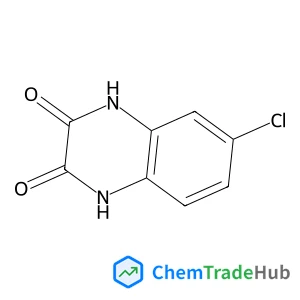
6-CHLORO-2,3-DIOXO-1,2,3,4-TETRAHYDROQUINOXALINE, 97
CAS Number:
169-14-2
Molecular Formula:
C8H5ClN2O2
Wenwei Luo, Hewen Wang, Zhiqiang Wang, Gang Liu, Sanqiu Liu, Chuying Ouyang
A first-principles calculation was performed to investigate the switchable CO2 capture on χ3-borophene by injecting/removing the extra electrons. The results show that the CO2 adsorption energy on the neutral χ3-borophene is 0.150 eV. After extra 2.5 e are injected, the adsorption energy is raised up to 0.802 eV, showing a significant enhancement with the change from the physical adsorption to chemical adsorption. Furthermore, both the CO2 capture and release processes are exothermic reactions involving injecting/removing extra electrons. χ3-borophene possesses a metallic electronic structure, which is conducive to the injection of extra electrons. The minimum charge density for CO2 capture on the negatively charged χ3-borophene is 1.6 × 10¹⁴ e cm−2. The CO2 capture capacity of χ3-borophene is 4.09 × 1014 cm−2. Finally, we study the selectivity of negatively charged χ3-borophene. The results show that the negatively-charged χ3-borophene possesses a high selectivity for CO2 from its mixtures with CO, CH4, NH3, N2, H2S, and H2. χ3-borophene is a new promising charge-modulated switchable CO2 capture material with good stability, high CO2 capture capacity, high selectivity, and excellent electrical conductivity.
Kun Xue, Jinchao Feng, Yijun Zhou, Biao Liu, Gaopeng Li
DOI: 10.1039/D2AN01678H
Mingshan Han, Qinqin Zhou, Meng Zhang, Jinshu Wang, Fangyan Cui, Yunfei Yang, Jingwen Su, Weiwei Huang, Yuxiang Hu
DOI: 10.1039/D3TA00343D
Xian-Lei Shi, Min Zhang, Yongdan Li, Wenqin Zhang
DOI: 10.1039/C3GC41565A
Aleksandar Tot, Lars Kloo
DOI: 10.1039/D2CC03062D
Henan Chen, Baiyao Liang, Dingyi Zhang, Guanwu Lian, Chenxin Yang, Yun Zhang, Wei Zhao
DOI: 10.1039/D1GC04777A
Paul K. Eggers, Matthew Winslade, Steven M. Smith, Colin L. Raston
DOI: 10.1039/C3GC41291A
Yingying Xue, Shengyang Duan, Zihao Liu, Miaomiao Cui, Zhanghui Xiong, Zengchen Liu, Jiangang Chen
DOI: 10.1039/D2CC03113B
Rui Lei, Xianzhi Fu, Naxin Chen, Yifeng Chen, Wenhui Feng, Ping Liu
DOI: 10.1039/D2CY01422J
Sanjay Adhikari, Aniruddha Sarkar, Basab Bijayi Dhar
DOI: 10.1039/D2CC00639A
4-Nitrophenyl phosphate disodium salt hexahydrate is primarily used as a substra...
2-(Trifluoromethyl)-1,3-oxazole-4-carboxylic Acid (CAS: 1060816-01-4) is widely ...
2-Fluoro-4-biphenylcarboxylic acid should be stored in a cool, dry place at room...
Prednisolone-21-Carboxylic Acid is primarily used in the pharmaceutical industry...
4-(Hydrazinomethyl)-1,2,3-benzenetriol (CAS: 3614-72-0) should be stored in a co...
4-Amino-1-methyl-1H-pyrazole-5-carboxylic acid hydrochloride (CAS: 92534-70-8) i...
Dehydropachymic acid (CAS: 77012-31-8) is regulated by various agencies. It fall...
The market and research trends for 6-[(2,2-Dimethylpropanoyl)amino]nicotinic aci...
1,10-Phenanthroline-2,9-dicarbaldehyde should be stored in a cool, dry place awa...
5-Carbamoyl-11-oxo-10,11-dihydro-5H-dibenzo[b,f]azepin-10-yl acetate can be synt...

Physical Chemistry Chemical Physics (PCCP) is an international journal co-owned by 19 physical chemistry and physics societies from around the world. This journal publishes original, cutting-edge research in physical chemistry, chemical physics and biophysical chemistry. To be suitable for publication in PCCP, articles must include significant innovation and/or insight into physical chemistry; this is the most important criterion that reviewers and Editors will judge against when evaluating submissions. The journal has a broad scope and welcomes contributions spanning experiment, theory, computation and data science. Topical coverage includes spectroscopy, dynamics, kinetics, statistical mechanics, thermodynamics, electrochemistry, catalysis, surface science, quantum mechanics, quantum computing and machine learning. Interdisciplinary research areas such as polymers and soft matter, materials, nanoscience, energy, surfaces/interfaces, and biophysical chemistry are welcomed if they demonstrate significant innovation and/or insight into physical chemistry. Joined experimental/theoretical studies are particularly appreciated when complementary and based on up-to-date approaches.