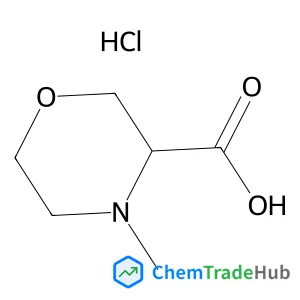
4-Methyl-3-morpholinecarboxylic acid hydrochloride (1:1)
CAS Number:
1240518-90-4
Molecular Formula:
C6H12ClNO3
Ying Luo, Guojun Zhao, Shudong Wang
Through first-principles calculations, the electron–phonon scattering of two-dimensional monolayer AsSb is investigated. The Boltzmann transport equation is used to compute the phonon limited carrier mobility. We find that the optical phonon scattering rates are much larger than acoustic ones around the valence band maximum (VBM) and the conduction band minimum (CBM). The phonon-decomposed scattering results show that transverse optical (TO) phonon modes dominate the scattering around VBM, while longitudinal and out-of-plane acoustic modes contribute mostly to the scattering at higher energy. TO phonon modes dominate the scattering for electrons over all energy level, and the electron–phonon matrix element analysis verified the results. Finally, we observed that the largest mean free paths for hot holes and hot electrons are 20 nm and 8 nm, respectively. That is the best range to extract the hot holes and hot electrons. More interestingly, owing to the in-pane net dipole moment of AsSb, the intrinsic electron/hole mobility of AsSb are 38/50 cm2 V−1 s−1, which are less than monolayer arsenene and antimonene.
Mingming Zhou, Fan Lu, Xiaomei Jiang, Qingshi Wu, Aiping Chang, Weitai Wu
DOI: 10.1039/C5PY01441G
Zhonglin Ding, Chengqiang Gao, Shuang Wang, Hui Liu, Wangqing Zhang
DOI: 10.1039/C5PY01202C
Mengxia Gao, Yue Wu, Bin Chen, Bairong He, Han Nie, Tingyan Li, Fupeng Wu, Wenjun Zhou, Jian Zhou, Zujin Zhao
DOI: 10.1039/C5PY01458A
Li-Li Zhou, Meng Li, Hai-Yan Lu, Chuan-Feng Chen
DOI: 10.1039/C5PY01794G
Yusuke Ogura, Takaya Terashima, Mitsuo Sawamoto
DOI: 10.1039/C7PY00073A
Jin Jung, Yong-Mun Choi, Jae Hun Choi, Jaesang Yu, Jae Kwan Lee, Nam-Ho You, Munju Goh
DOI: 10.1039/C5PY01483B
Vu H. Dao, Kei Saito
DOI: 10.1039/C5PY01572C
N. J. W. Penfold, J. R. Lovett, N. J. Warren, P. Verstraete, J. Smets, S. P. Armes
DOI: 10.1039/C5PY01510C
4-Nitrophenyl phosphate disodium salt hexahydrate is primarily used as a substra...
2-(Trifluoromethyl)-1,3-oxazole-4-carboxylic Acid (CAS: 1060816-01-4) is widely ...
2-Fluoro-4-biphenylcarboxylic acid should be stored in a cool, dry place at room...
Prednisolone-21-Carboxylic Acid is primarily used in the pharmaceutical industry...
4-(Hydrazinomethyl)-1,2,3-benzenetriol (CAS: 3614-72-0) should be stored in a co...
4-Amino-1-methyl-1H-pyrazole-5-carboxylic acid hydrochloride (CAS: 92534-70-8) i...
Dehydropachymic acid (CAS: 77012-31-8) is regulated by various agencies. It fall...
The market and research trends for 6-[(2,2-Dimethylpropanoyl)amino]nicotinic aci...
1,10-Phenanthroline-2,9-dicarbaldehyde should be stored in a cool, dry place awa...
5-Carbamoyl-11-oxo-10,11-dihydro-5H-dibenzo[b,f]azepin-10-yl acetate can be synt...

Physical Chemistry Chemical Physics (PCCP) is an international journal co-owned by 19 physical chemistry and physics societies from around the world. This journal publishes original, cutting-edge research in physical chemistry, chemical physics and biophysical chemistry. To be suitable for publication in PCCP, articles must include significant innovation and/or insight into physical chemistry; this is the most important criterion that reviewers and Editors will judge against when evaluating submissions. The journal has a broad scope and welcomes contributions spanning experiment, theory, computation and data science. Topical coverage includes spectroscopy, dynamics, kinetics, statistical mechanics, thermodynamics, electrochemistry, catalysis, surface science, quantum mechanics, quantum computing and machine learning. Interdisciplinary research areas such as polymers and soft matter, materials, nanoscience, energy, surfaces/interfaces, and biophysical chemistry are welcomed if they demonstrate significant innovation and/or insight into physical chemistry. Joined experimental/theoretical studies are particularly appreciated when complementary and based on up-to-date approaches.