![(3R,5R)-1-[(Benzyloxy)carbonyl]-5-methyl-3-piperidinecarboxylic acid structure](https://static.chemtradehub.com/structs/126/1269757-29-0-c552.webp "(3R,5R)-1-[(Benzyloxy)carbonyl]-5-methyl-3-piperidinecarboxylic acid structure")
(3R,5R)-1-[(Benzyloxy)carbonyl]-5-methyl-3-piperidinecarboxylic acid
CAS Number:
1269757-29-0
Molecular Formula:
C15H19NO4
Anawat Thivasasith, Thana Maihom, Sitthiphong Pengpanich, Jumras Limtrakul, Chularat Wattanakit
The catalytic dehydroaromatization of alkanes to aromatics has attracted considerable attention from the scientific community, because it can be used for the upgrading of low-cost alkanes into high added-value aromatics, such as benzene, toluene, and xylene (BTX). In this context, we report the reaction mechanism of n-hexane dehydroaromatization to benzene over two different reduced gallium species embedded in HZSM-5, including univalent Ga+ embedded in HZSM-5 (Ga/HZSM-5) and dihydrido gallium complex (GaH2+) embedded in HZSM-5 (GaH2/HZSM-5) by using the M06-2X/6-31G(d,p) level of calculation. The reaction proceeds by following two main steps: (i) the dehydrogenation of hexane to haxa-1,3,5-triene; (ii) the dehydroaromatization of haxa-1,3,5-triene to benzene. For the univalent Ga+ embedded in HZSM-5, the first step of the hexane dehydrogenation is considered to be the rate-determining step, which requires a high activation energy of 76.6 kcal mol−1. In strong contrast to this, in the case of the GaH2/HZSM-5 catalyst the rate determining step is found to be the second hydrogen abstraction from n-hexane with a lower activation barrier of 11.1 kcal mol−1. The reaction is therefore preferentially taking place over the GaH2/HZSM-5 catalyst. These observations clearly confirm the existence of a dihydrido gallium complex (GaH2+) as one of the most active species for the dehydroaromatization of alkanes and it is obtained in the presence of hydrogen in the catalytic system. This example opens up perspectives for a better understanding of the effect of active species on the catalytic reaction.
DOI: 10.1039/A809070J
DOI: 10.1039/B001708F
DOI: 10.1039/B004184J
DOI: 10.1039/B002675L
X. H. Xia, L. Nagle, R. Schuster, O. M. Magnussen, R. J. Behm
DOI: 10.1039/B003585H
DOI: 10.1039/A807847E
DOI: 10.1039/A808605B
Todd M. Alam, Jian-Jie Liang, Randall T. Cygan
DOI: 10.1039/B004627M
T. J. Schmidt, B. N. Grgur, R. J. Behm, N. M. Markovic, P. N. Ross, Jr.
DOI: 10.1039/B003767M
4-Nitrophenyl phosphate disodium salt hexahydrate is primarily used as a substra...
2-(Trifluoromethyl)-1,3-oxazole-4-carboxylic Acid (CAS: 1060816-01-4) is widely ...
2-Fluoro-4-biphenylcarboxylic acid should be stored in a cool, dry place at room...
Prednisolone-21-Carboxylic Acid is primarily used in the pharmaceutical industry...
4-(Hydrazinomethyl)-1,2,3-benzenetriol (CAS: 3614-72-0) should be stored in a co...
4-Amino-1-methyl-1H-pyrazole-5-carboxylic acid hydrochloride (CAS: 92534-70-8) i...
Dehydropachymic acid (CAS: 77012-31-8) is regulated by various agencies. It fall...
The market and research trends for 6-[(2,2-Dimethylpropanoyl)amino]nicotinic aci...
1,10-Phenanthroline-2,9-dicarbaldehyde should be stored in a cool, dry place awa...
5-Carbamoyl-11-oxo-10,11-dihydro-5H-dibenzo[b,f]azepin-10-yl acetate can be synt...

Physical Chemistry Chemical Physics (PCCP) is an international journal co-owned by 19 physical chemistry and physics societies from around the world. This journal publishes original, cutting-edge research in physical chemistry, chemical physics and biophysical chemistry. To be suitable for publication in PCCP, articles must include significant innovation and/or insight into physical chemistry; this is the most important criterion that reviewers and Editors will judge against when evaluating submissions. The journal has a broad scope and welcomes contributions spanning experiment, theory, computation and data science. Topical coverage includes spectroscopy, dynamics, kinetics, statistical mechanics, thermodynamics, electrochemistry, catalysis, surface science, quantum mechanics, quantum computing and machine learning. Interdisciplinary research areas such as polymers and soft matter, materials, nanoscience, energy, surfaces/interfaces, and biophysical chemistry are welcomed if they demonstrate significant innovation and/or insight into physical chemistry. Joined experimental/theoretical studies are particularly appreciated when complementary and based on up-to-date approaches.
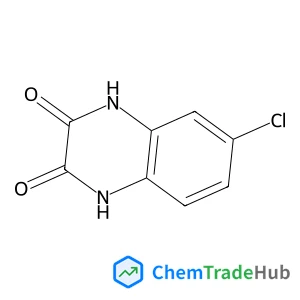
![N-[2-(4-Hydroxyphenoxy)-4-nitrophenyl]methanesulfonamide structure](https://static.chemtradehub.com/structs/109/109032-22-6-7c88.webp "N-[2-(4-Hydroxyphenoxy)-4-nitrophenyl]methanesulfonamide structure")