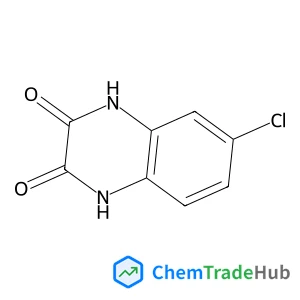
6-CHLORO-2,3-DIOXO-1,2,3,4-TETRAHYDROQUINOXALINE, 97
CAS Number:
169-14-2
Molecular Formula:
C8H5ClN2O2
Xue Jiang, Guolin Lu, Huang Xiaoyu
The monomer, 2,2,2-trifluoroethyl 3-(N-(2-(diethylamino)ethyl)acrylamido)propanoate (TF-DEAE-AM), which contains both O2 and CO2-responsive functionalities, was first synthesized from commercially available N,N-diethylethylenediamine, 2,2,2-trifluoroethyl acrylate, and acryloyl chloride. Subsequently, a series of dual-gas responsive polymers, poly(2,2,2-trifluoroethyl 3-(N-(2-(diethylamino)ethyl)acrylamido)propanoate) (poly(TF-DEAE-AM)) and poly(ethylene glycol)-b-poly(2,2,2-trifluoroethyl 3-(N-(2-(diethylamino)ethyl)acrylamido)propanoate) (PEG-b-poly(TF-DEAE-AM)), were synthesized by employing reversible addition–fragmentation chain transfer (RAFT) polymerization. Due to the protonation between CO2 and DEAE groups, and the specific van der Waals interactions between O2 and C–F bonds, micelles consisting of poly(TF-DEAE-AM) or PEG-b-poly(TF-DEAE-AM) display distinct CO2 and O2 responsiveness in aqueous media. Pyrene, which is a model hydrophobic drug, is able to be effectively encapsulated in the micelles based on PEG-b-poly(TF-DEAE-AM). It is found that the release of pyrene sharply increases after bubbling CO2 or O2 compared to N2, and the release rate of the solution bubbling with CO2 is the fastest. Since both CO2 and O2 are key gases for the human body, the CO2- and O2-induced release property of poly(TF-DEAE-AM) may open opportunities for the preparation of functional materials with special CO2 and O2 responsiveness for potential applications in biomedicine.
Jianhui Chen, Xiaolin Tan, Peng Lin, Baisheng Sa, Jian Zhou, Yinggan Zhang, Cuilian Wen, Zhimei Sun
DOI: 10.1039/C9CP04407H
Evgeniy V. Gromov, Tatiana Domratcheva
DOI: 10.1039/D0CP00814A
Chen-An Chung, Jou Wei Su
DOI: 10.1039/C9CP04168K
Lin-Yan Feng, Chuan Dong, Hua-Jin Zhai
DOI: 10.1039/C9CP04437J
Shuaizhen Tian, Jinzhe Zeng, Xiao Liu, Jianzhong Chen
DOI: 10.1039/C9CP03598B
Ayana Tagawa, Toshiyuki Shikata
DOI: 10.1039/C9CP02500F
Vitor H. Paschoal, Rafael S. Freitas, Luiz F. O. Faria, Mauro C. C. Ribeiro
DOI: 10.1039/D0CP00374C
Mark A. Burton, Benjamin T. Russ, Matthew P. Bucchino, Phillip M. Sheridan, Lucy M. Ziurys
DOI: 10.1039/C9CP03465J
Songyoot Kaewmala, Visittapong Yordsri, Wanwisa Limphirat, Jeffrey Nash, Pimpa Limthongkul
DOI: 10.1039/C9CP04283K
Xue Zhang, Ayhan Elmali, Ruomeng Duan, Qingyun Liu, Wei Ji, Chen Li, Ahmet Karatay
DOI: 10.1039/C9CP06914C
4-Nitrophenyl phosphate disodium salt hexahydrate is primarily used as a substra...
2-(Trifluoromethyl)-1,3-oxazole-4-carboxylic Acid (CAS: 1060816-01-4) is widely ...
2-Fluoro-4-biphenylcarboxylic acid should be stored in a cool, dry place at room...
Prednisolone-21-Carboxylic Acid is primarily used in the pharmaceutical industry...
4-(Hydrazinomethyl)-1,2,3-benzenetriol (CAS: 3614-72-0) should be stored in a co...
4-Amino-1-methyl-1H-pyrazole-5-carboxylic acid hydrochloride (CAS: 92534-70-8) i...
Dehydropachymic acid (CAS: 77012-31-8) is regulated by various agencies. It fall...
The market and research trends for 6-[(2,2-Dimethylpropanoyl)amino]nicotinic aci...
1,10-Phenanthroline-2,9-dicarbaldehyde should be stored in a cool, dry place awa...
5-Carbamoyl-11-oxo-10,11-dihydro-5H-dibenzo[b,f]azepin-10-yl acetate can be synt...

Polymer Chemistry welcomes submissions in all areas of polymer science that have a strong focus on macromolecular chemistry. Manuscripts may cover a broad range of fields, yet no direct application focus is required.