phosphoryl}methyl 4-methylbenzenesulfonate structure](https://static.chemtradehub.com/structs/864/864068-45-1-ba7c.webp "{[3-(Hexadecyloxy)propoxy](hydroxy)phosphoryl}methyl 4-methylbenzenesulfonate structure")
{[3-(Hexadecyloxy)propoxy](hydroxy)phosphoryl}methyl 4-methylbenzenesulfonate
CAS Number:
864068-45-1
Molecular Formula:
C27H49O7PS
Scott C. Radzinski, Jeffrey C. Foster, Sally E. Lewis, Eric V. French, John B. Matson
The transfer-to method is a unique way to prepare bottlebrush polymers by reversible addition–fragmentation chain transfer (RAFT) polymerization. This little-studied bottlebrush polymer synthesis strategy is distinct from the grafting-from, grafting-to, and grafting-through strategies and therefore may have specific advantages over these other synthetic approaches. Herein, we study the factors affecting the composition of bottlebrush polymer samples prepared by RAFT transfer-to, with particular emphasis on bottlebrush polymer molecular weight (MW) and dispersity (Đ) and the percentage of “dead” linear polymer as a function of initiator concentration, [M]/[CTA] ratio, backbone length, and monomer type. The lowest quantities of dead polymer were obtained under conditions that limited the MW of the bottlebrush polymer side-chains and that discouraged termination reactions. Under optimized conditions, high MW bottlebrush polymers were prepared with low dispersities and few dead polymer impurities.

Current Opinion in Solid State & Materials Science

Nature Medicine

Russian Journal of Organic Chemistry

Chemical Communications

Russian Journal of Bioorganic Chemistry

Current Opinion in Colloid & Interface Science

Russian Journal of Coordination Chemistry

Russian Journal of Applied Chemistry

Organic Process Research & Development

New Journal of Chemistry
Anja Rietig, Thomas Langner, Jörg Acker
DOI: 10.1039/C9CP04429A
Rian Ruhl, Jia Song, Vincent Thoréton, Sathya Prakash Singh, Kjell Wiik, Yngve Larring, Henny J. M. Bouwmeester
DOI: 10.1039/C9CP04911H
Bikash Patra, Subrata Jana, Prasanjit Samal
DOI: 10.1039/C9CP90239B
Philipp Pracht, Fabian Bohle, Stefan Grimme
DOI: 10.1039/C9CP06869D
Laura Le Bras, Roxanne Berthin, Ismaïl Hamdi, Maroua Louati, Stéphane Aloïse, Michinori Takeshita
DOI: 10.1039/C9CP06590C
Aurelio Alvarez-Ibarra, Aurélien de la Lande
DOI: 10.1039/D0CP00165A
Hassan Harb, Lee M. Thompson, Hrant P. Hratchian
DOI: 10.1039/C9CP01560D
DOI: 10.1039/C9CP06384F
Mitra Maddah, Mina Maddah, Kiana Peyvandi
DOI: 10.1039/C9CP03833G
Bohak Yoon, Haley M. Stowe
DOI: 10.1039/C9CP04518J
4-Nitrophenyl phosphate disodium salt hexahydrate is primarily used as a substra...
2-(Trifluoromethyl)-1,3-oxazole-4-carboxylic Acid (CAS: 1060816-01-4) is widely ...
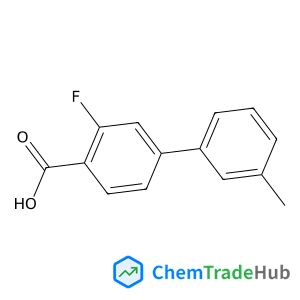
2-Fluoro-4-biphenylcarboxylic acid should be stored in a cool, dry place at room...
Prednisolone-21-Carboxylic Acid is primarily used in the pharmaceutical industry...
4-(Hydrazinomethyl)-1,2,3-benzenetriol (CAS: 3614-72-0) should be stored in a co...
4-Amino-1-methyl-1H-pyrazole-5-carboxylic acid hydrochloride (CAS: 92534-70-8) i...
Dehydropachymic acid (CAS: 77012-31-8) is regulated by various agencies. It fall...
The market and research trends for 6-[(2,2-Dimethylpropanoyl)amino]nicotinic aci...
1,10-Phenanthroline-2,9-dicarbaldehyde should be stored in a cool, dry place awa...
5-Carbamoyl-11-oxo-10,11-dihydro-5H-dibenzo[b,f]azepin-10-yl acetate can be synt...

Polymer Chemistry welcomes submissions in all areas of polymer science that have a strong focus on macromolecular chemistry. Manuscripts may cover a broad range of fields, yet no direct application focus is required.