![1-[(4-Methylphenyl)sulfonyl]-3-(4,4,5,5-tetramethyl-1,3,2-dioxaborolan-2-yl)-1H-pyrrolo[2,3-b]pyridine-5-carbonitrile structure](https://static.chemtradehub.com/structs/143/1434747-57-5-fc0d.webp "1-[(4-Methylphenyl)sulfonyl]-3-(4,4,5,5-tetramethyl-1,3,2-dioxaborolan-2-yl)-1H-pyrrolo[2,3-b]pyridine-5-carbonitrile structure")
1-[(4-Methylphenyl)sulfonyl]-3-(4,4,5,5-tetramethyl-1,3,2-dioxaborolan-2-yl)-1H-pyrrolo[2,3-b]pyridine-5-carbonitrile
CAS Number:
1434747-57-5
Molecular Formula:
C21H22BN3O4S
L.-C. Wu, W.-C. Chung, C.-C. Wang, G.-H. Lee, S.-I. Lu, Y. Wang
The compound trans-4,4′-azo-1,2,4-triazole (atrz) is a planar molecule with two planar triazole rings bridged by an azo group. The molecule is a good donor ligand and has an interesting π-delocalized character. In addition, intermolecular interactions in the crystalline state through π–π stacking are found between triazole rings with a very short inter-planar distance of 3.17 Å. The electron density distribution is obtained from both high resolution X-ray diffraction data at 100 K and density functional theory (DFT) calculations using the ωB97X-D functional. Bond characterization is performed in terms of the charge density distribution and the associated topological properties. The Laplacian distribution around each atom reveals the shape of the valence-shell charge concentration and demonstrates a sp2 hybrid orbital shape for each atom in the molecule. The π-delocalization of the planar molecule is further illustrated by the Fermi-hole distribution. The weak intermolecular π–π interactions and hydrogen bonds are further illustrated by the Hirshfeld surface. The energies of weak intermolecular π–π interactions and hydrogen bonds have been calculated using ωB97X-D/6-311++G(3df,2p) at experimental geometry.
Abby-Jo Payne, Arthur D. Hendsbee, Seth M. McAfee, Devproshad K. Paul, Kunal Karan, Gregory C. Welch
DOI: 10.1039/C6CP01596D
DOI: 10.1039/C5CP06795B
Apratim Sanyal, Saptarshi Basu, Swetaprovo Chaudhuri
DOI: 10.1039/C6CP01272H
Cody L. Covington, Prasad L. Polavarapu
DOI: 10.1039/C6CP01247G
C. López-Martínez, P. Flores-Morales, M. Cruz, T. González, M. Feliz, A. Diez, Josep M. Campanera
DOI: 10.1039/C5CP05937B
Takuya Mori, Titus Masese, Yuki Orikasa, Zhen-Dong Huang, Tetsuya Okado, Jungeun Kim, Yoshiharu Uchimoto
DOI: 10.1039/C6CP00448B
Daniel R. Kattnig, Ilia A. Solov'yov, P. J. Hore
DOI: 10.1039/C5CP06731F
Xiao Zhang, Yanping Wang, Penglei Chen, Yunlong Rong, Minghua Liu
DOI: 10.1039/C6CP00683C
Elisa Jimenez-Izal
DOI: 10.1039/C5CP04330A
4-Nitrophenyl phosphate disodium salt hexahydrate is primarily used as a substra...
2-(Trifluoromethyl)-1,3-oxazole-4-carboxylic Acid (CAS: 1060816-01-4) is widely ...
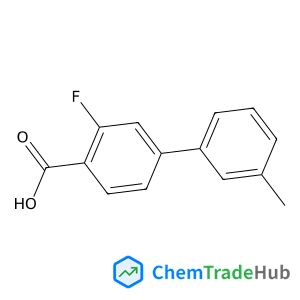
2-Fluoro-4-biphenylcarboxylic acid should be stored in a cool, dry place at room...
Prednisolone-21-Carboxylic Acid is primarily used in the pharmaceutical industry...
4-(Hydrazinomethyl)-1,2,3-benzenetriol (CAS: 3614-72-0) should be stored in a co...
4-Amino-1-methyl-1H-pyrazole-5-carboxylic acid hydrochloride (CAS: 92534-70-8) i...
Dehydropachymic acid (CAS: 77012-31-8) is regulated by various agencies. It fall...
The market and research trends for 6-[(2,2-Dimethylpropanoyl)amino]nicotinic aci...
1,10-Phenanthroline-2,9-dicarbaldehyde should be stored in a cool, dry place awa...
5-Carbamoyl-11-oxo-10,11-dihydro-5H-dibenzo[b,f]azepin-10-yl acetate can be synt...

Physical Chemistry Chemical Physics (PCCP) is an international journal co-owned by 19 physical chemistry and physics societies from around the world. This journal publishes original, cutting-edge research in physical chemistry, chemical physics and biophysical chemistry. To be suitable for publication in PCCP, articles must include significant innovation and/or insight into physical chemistry; this is the most important criterion that reviewers and Editors will judge against when evaluating submissions. The journal has a broad scope and welcomes contributions spanning experiment, theory, computation and data science. Topical coverage includes spectroscopy, dynamics, kinetics, statistical mechanics, thermodynamics, electrochemistry, catalysis, surface science, quantum mechanics, quantum computing and machine learning. Interdisciplinary research areas such as polymers and soft matter, materials, nanoscience, energy, surfaces/interfaces, and biophysical chemistry are welcomed if they demonstrate significant innovation and/or insight into physical chemistry. Joined experimental/theoretical studies are particularly appreciated when complementary and based on up-to-date approaches.