













2,2-dideuterio-2-(3,4,5,6-tetradeuterio-2-pyridyl)acetic acid;hydrochloride
CAS Number:
1329799-67-8
Molecular Formula:
C7H2ClD6NO2
Fengmei Wang, Yuanchang Li, Zhongzhou Cheng, Kai Xu, Xueying Zhan, Zhenxing Wang, Jun He
3D semiconductor nanostructures have proved to be a rich system for the exploring of high-performance pseudocapacitors. Herein, a novel 3D WO3 nanotree on W foil is developed via a facile and green method. Both capacitance and conductivity of the WO3 nanotree electrode are greatly improved after hydrogenation treatment (denoted as H-WO3). First-principles calculation based on the experiments reveals the mechanism of the hydrogenation treatment effect on the 3D WO3 nanotrees. The surface O of 3D WO3 nanotrees gains electrons from the adsorbed H, and consequently certain electrons are back-donated to the neighboring W, thus providing the conducting channel on the surface. Ultrathin V2O5 films were coated on the H-WO3 nanotrees via a simple, low-cost, environmentally friendly electrochemical technique. This V2O5/H-WO3 electrode exhibited a remarkable specific capacitance of 1101 F g−1 and an energy density of 98 W h kg−1. The solid-state device based on the V2O5/H-WO3 electrodes shows excellent stability and practical application. Our work opens up the potential broad application of hydrogenation treatment of semiconductor nanostructures in pseudocapacitors and other energy storage devices.
Hai-Tao Tang, Jia-Hao Zeng, Jun-Jia Chen, Yun-Bing Zhou, Ren-Hao Li, Zhuang-Ping Zhan
DOI: 10.1039/C7QO00249A
Zhi-Xiang Zhang, Wei Wei, Fu-Quan Bai, Shamsa Bibi, Hong-Xing Zhang
DOI: 10.1039/C7QO00476A
Wenpeng Dai, Yingyin Lin, Yan Wan, Song Cao
DOI: 10.1039/C7QO00716G
Qiangqiang Jiang, Xinghui Qi, Chenyang Zhang, Xuan Ji, Jin Li, Renhua Liu
DOI: 10.1039/C7QO00749C
Xuhong Ren, Qiyang Wang, Wenjia Yu, Xiaoyu Zhan, Yishan Yao, Bingjie Qin, Mingxin Dong, Xinhua He
DOI: 10.1039/C7QO00348J
Shiju Zhang, Sha-Hua Huang
DOI: 10.1039/C7QO00837F
Jiuhan Gong, Ling Huang, Qidu Deng, Kun Jie, Yufeng Wang, Shengmei Guo, Hu Cai
DOI: 10.1039/C7QO00318H
Wei Zhang, Wenlong Yu, Qiangqiang Yan, Zhanxiang Liu
DOI: 10.1039/C7QO00517B
When handling 4-Methyl-6-(trifluoromethyl)quinoline (CAS: 40716-16-3), safety go...
4-(3,5-Difluorophenyl)aniline is an aromatic organic compound with the CAS numbe...
5-{[4-(Trifluoromethyl)phenyl]sulfanyl}-1,2,3-thiadiazole-4-carboxylic acid can ...
The market for 4-Benzylaniline hydrochloride (CAS: 6317-57-3) is steadily growin...
[3-(Diethylsulfamoyl)phenyl]boronic acid is generally considered safe when handl...
3-Bromo-2,5-dimethoxyaniline is mainly used in the pharmaceutical and chemical i...
N-Methyl-1-(5-methyl-1H-indol-3-yl)methanamine (CAS: 915922-67-7) is subject to ...
This compound is primarily used in the pharmaceutical industry for the synthesis...
2-Methyl-2-propanyl [(1S,3R)-3-aminocyclohexyl]carbamate (CAS: 1298101-47-9) sho...
Ethyl 2-bromo-4,4,4-trifluorobutanoate (CAS: 367-33-9) is utilized in the pharma...

Physical Chemistry Chemical Physics (PCCP) is an international journal co-owned by 19 physical chemistry and physics societies from around the world. This journal publishes original, cutting-edge research in physical chemistry, chemical physics and biophysical chemistry. To be suitable for publication in PCCP, articles must include significant innovation and/or insight into physical chemistry; this is the most important criterion that reviewers and Editors will judge against when evaluating submissions. The journal has a broad scope and welcomes contributions spanning experiment, theory, computation and data science. Topical coverage includes spectroscopy, dynamics, kinetics, statistical mechanics, thermodynamics, electrochemistry, catalysis, surface science, quantum mechanics, quantum computing and machine learning. Interdisciplinary research areas such as polymers and soft matter, materials, nanoscience, energy, surfaces/interfaces, and biophysical chemistry are welcomed if they demonstrate significant innovation and/or insight into physical chemistry. Joined experimental/theoretical studies are particularly appreciated when complementary and based on up-to-date approaches.


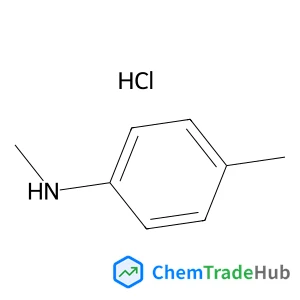
![1-[(4-Methylphenyl)sulfonyl]-3-(4,4,5,5-tetramethyl-1,3,2-dioxaborolan-2-yl)-1H-pyrrolo[2,3-b]pyridine-5-carbonitrile structure](https://static.chemtradehub.com/structs/143/1434747-57-5-fc0d.webp "1-[(4-Methylphenyl)sulfonyl]-3-(4,4,5,5-tetramethyl-1,3,2-dioxaborolan-2-yl)-1H-pyrrolo[2,3-b]pyridine-5-carbonitrile structure")




