


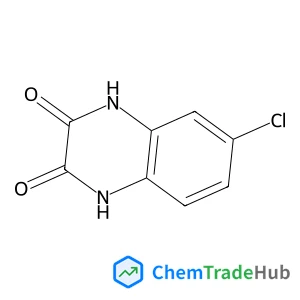
6-CHLORO-2,3-DIOXO-1,2,3,4-TETRAHYDROQUINOXALINE, 97
CAS Number:
169-14-2
Molecular Formula:
C8H5ClN2O2
Qijing Chen, Yuanyuan Xu, Xueteng Cao, Lianjie Qin, Zesheng An
A series of five core cross-linked star (CCS) polymers has been synthesized by RAFT-mediated heterogeneous polymerization in aqueous media. These CCS polymers consist of poly(MEAx-co-PEGAy) (MEA is 2-methoxyethyl acrylate and PEGA is poly(ethylene glycol) acrylate) of different compositions. They exhibit responsiveness to both temperature and salt. Addition of kosmotropes reduces the cloud point, and addition of chaotropes raises the cloud point. These CCS polymers can stabilize dodecane-in-water high internal phase emulsions (HIPEs) in the absence or presence of salts. Addition of salts has negligible effect on the maximum oil fraction, the size of oil droplets or the stability of the HIPEs. HIPEs with large oil fractions (up to 92 vol%) at low concentrations of CCS polymers (≤1 wt%) can be routinely obtained. When the oil volume fraction is larger than 74 vol%, gelled HIPEs are formed with long-term stabilities (more than three months). The temperature and salt responsiveness of the CCS polymers is transferred to the CCS-stabilized HIPEs. Addition of kosmotropes can enhance demulsification efficiency, while addition of chaotropes can decrease demulsification efficiency or enhance the thermal stability of the CCS-stabilized HIPEs. The emulsification–demulsification cycle can be successfully repeated four times. The facile and aqueous synthesis of CCS polymers and the fast response of the CCS-stabilized HIPEs will open up new opportunities for the preparation and exploitation of a range of smart soft materials.

Nature Medicine

Journal of Peptide Science

Current Opinion in Colloid & Interface Science

Acta Materialia

Drug Discovery Today

Russian Journal of Bioorganic Chemistry

Organic Process Research & Development

Chemistry Education Research and Practice

Journal of Natural Medicines

Russian Journal of General Chemistry
Luisa Weirich, Christian Merten
DOI: 10.1039/D1CP01846A
Kuan-Ching Wu, Chieh-Ming Hsieh, Bor Kae Chang
DOI: 10.1039/D1CP04517B
Stefan Milenkovic, Igor V. Bodrenko, Armando Carpaneto
DOI: 10.1039/D1CP02947A
Chao He, Shane J. Goettl, Zhenghai Yang, Srinivas Doddipatla, Ralf I. Kaiser, Mateus Xavier Silva, Breno R. L. Galvão
DOI: 10.1039/D1CP02812J
Shoichi Yamaguchi, Takuhiro Otosu
DOI: 10.1039/D1CP01994E
Dongyun Liu, Rongjia Wen, Qian Yu, Lennart Elfgren
DOI: 10.1039/D1CP04474E
Dinesh Bista, Turbasu Sengupta, Shiv N. Khanna
DOI: 10.1039/D1CP02420E
D. A. Hardy, J. Archer, P. Lemaitre, R. Vehring, J. P. Reid, J. S. Walker
DOI: 10.1039/D1CP02840E
Arjun Kafle, P. B. Armentrout
DOI: 10.1039/D1CP04263G
4-Nitrophenyl phosphate disodium salt hexahydrate is primarily used as a substra...
2-(Trifluoromethyl)-1,3-oxazole-4-carboxylic Acid (CAS: 1060816-01-4) is widely ...
2-Fluoro-4-biphenylcarboxylic acid should be stored in a cool, dry place at room...
Prednisolone-21-Carboxylic Acid is primarily used in the pharmaceutical industry...
4-(Hydrazinomethyl)-1,2,3-benzenetriol (CAS: 3614-72-0) should be stored in a co...
4-Amino-1-methyl-1H-pyrazole-5-carboxylic acid hydrochloride (CAS: 92534-70-8) i...
Dehydropachymic acid (CAS: 77012-31-8) is regulated by various agencies. It fall...
The market and research trends for 6-[(2,2-Dimethylpropanoyl)amino]nicotinic aci...
1,10-Phenanthroline-2,9-dicarbaldehyde should be stored in a cool, dry place awa...
5-Carbamoyl-11-oxo-10,11-dihydro-5H-dibenzo[b,f]azepin-10-yl acetate can be synt...

Polymer Chemistry welcomes submissions in all areas of polymer science that have a strong focus on macromolecular chemistry. Manuscripts may cover a broad range of fields, yet no direct application focus is required.
![(2E)-3-(3-Chlorophenyl)-N-{2-[4-(methylsulfonyl)-1-piperazinyl]-2-oxoethyl}acrylamide structure](https://static.chemtradehub.com/structs/250/2505001-54-5-c1e9.webp "(2E)-3-(3-Chlorophenyl)-N-{2-[4-(methylsulfonyl)-1-piperazinyl]-2-oxoethyl}acrylamide structure")





